How Social Infrastructure Shapes Inclusive Urban Life: People, Places, Practices

In the face of rapid urbanisation, how can we transform our cities into spaces that nurture connection, well-being, and a sense of belonging? The answer lies in strengthening social infrastructure, the connective tissue that shapes inclusive urban life. A city’s success is not defined solely by its skyline or road networks, but by how its spaces foster everyday engagement and human connection. Schools, healthcare centres, transit hubs, and community spaces are where neighbourhoods come alive, routines are enriched, and relationships are nurtured, turning the city into a thriving, inclusive space.
Yet, in many urban areas, these spaces remain underutilised, impersonal, or disconnected from the people they are intended to serve. The growth of gated communities and the privatisation of public spaces have further restricted access to shared resources. In India, where nearly half the population is projected to live in urban areas by 2047, the presence or absence of inclusive social infrastructure will determine how equitable, resilient, and vibrant our cities become.
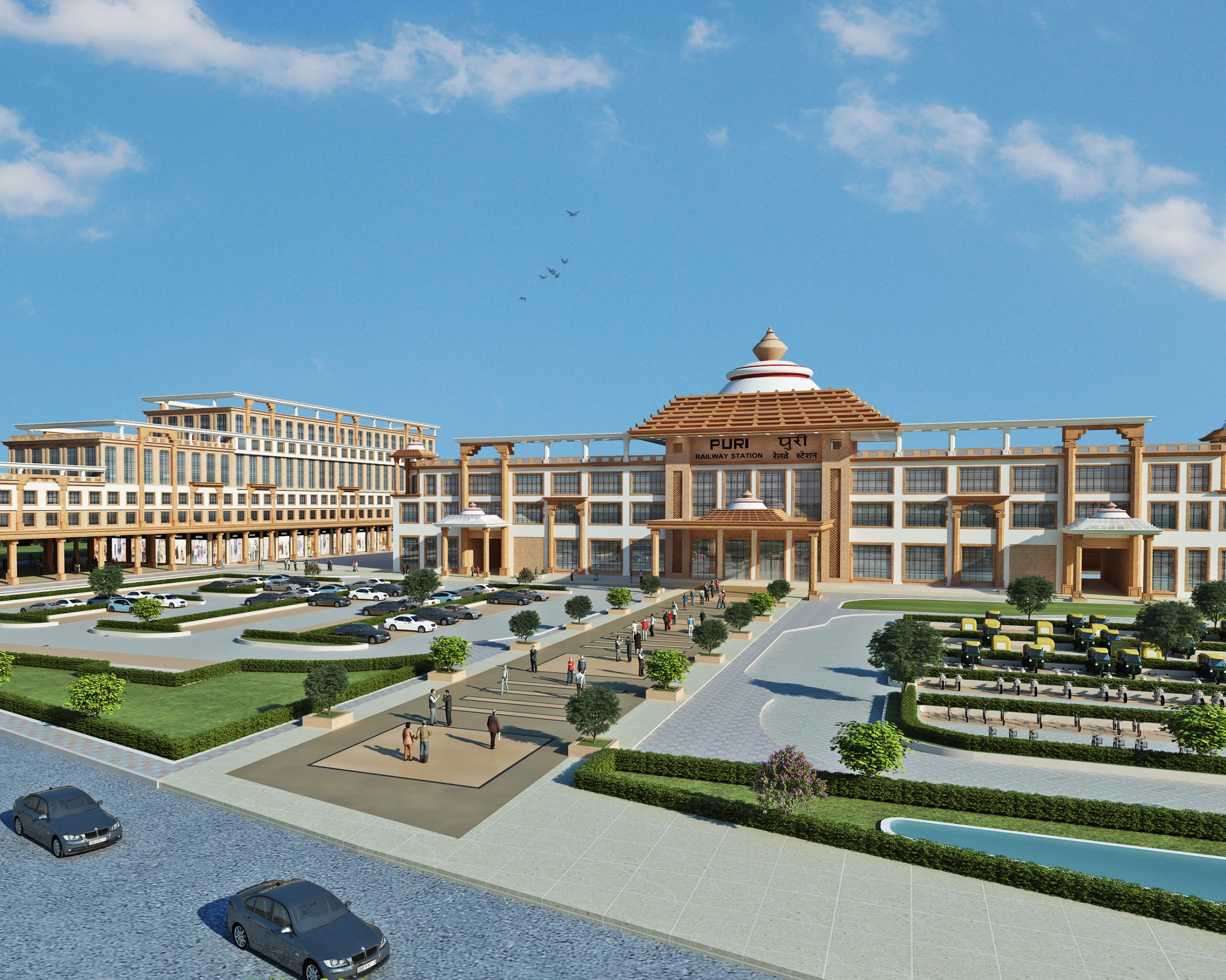
The impact of social infrastructure is maximised when it is designed to be approachable, human-centred, and integrated into residents’ daily lives. Well-planned parks, plazas, courtyards, and green spaces create informal hubs for interaction and community building. Schools, healthcare facilities, and transit hubs that are easily accessible and connected to surrounding neighborhoods foster inclusivity, allowing people of all ages and abilities to participate in public life. Preserving existing trees, weaving green corridors, and integrating open spaces support mental well-being, encourage informal social encounters, and strengthen the sense of belonging that transforms neighbourhoods into cohesive communities.
Accessibility and connectivity are key enablers of inclusion. Safe pedestrian pathways, cycle tracks, and clear circulation routes ensure social infrastructure is usable by everyone. At the same time, proximity to public transport and integration with mixed-use areas embed these spaces into the rhythms of daily life. When public spaces, educational institutions, and healthcare facilities are seamlessly linked to their surroundings, they become dynamic hubs of activity, promoting social cohesion, safety, and sustained engagement throughout the day.
The accurate measure of social infrastructure lies in the experiences it enables and the connections it nurtures. Spaces that respond to human needs, reflect local culture, and accommodate diverse activities become catalysts for inclusive urban life. By prioritising human experience, accessibility, and integration, social infrastructure strengthens community identity, fosters active lifestyles, and nurtures vibrant, equitable, and resilient cities where every resident feels welcomed, supported, and connected.