Building with Memory: How Heritage Anchors Cities in a Rapidly Urbanising World

Every city tells its story through its built fabric. From the bustling markets of Delhi to the vernacular motifs reinterpreted in modern airports and railway stations, architecture carries the imprint of culture, craft, and community. Yet today, as skylines change overnight, these imprints risk fading. To preserve and reinterpret them is to ensure that our cities continue to tell stories that remain recognisable, resonant, and rooted across generations.
Urban heritage takes many forms, like markets, institutions, neighbourhoods, and even the street networks and trees that define community life. The vibrant markets of Delhi, for instance, remind us that redevelopment can succeed when it preserves the essence of place instead of erasing it. In the same way, familiar institutions, public greens, or long-standing circulation patterns hold memories that anchor people to their surroundings. These everyday elements, often overlooked, are as much a part of history as iconic monuments, and their preservation shapes how communities continue to relate to the spaces around them.
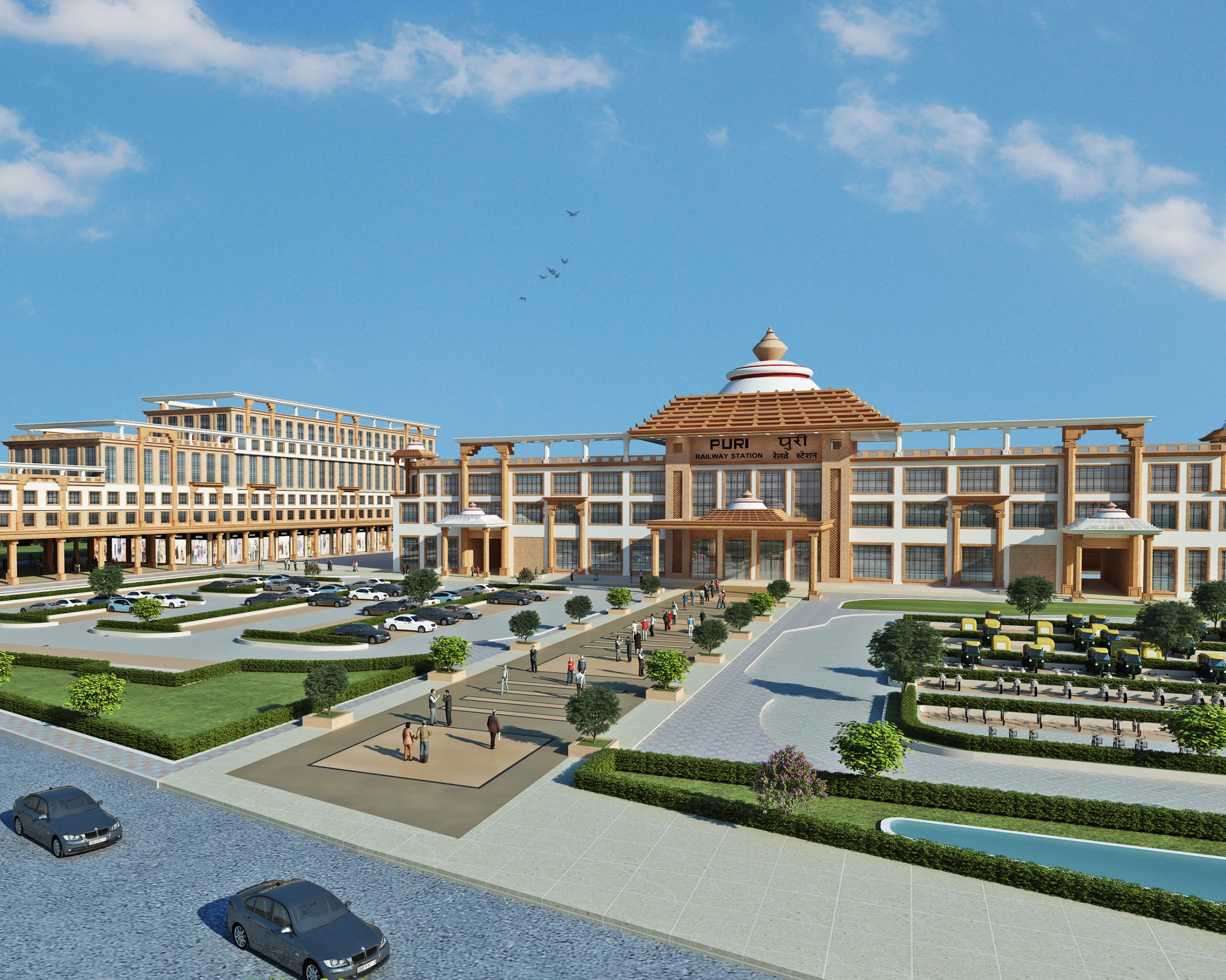
Across India, contemporary design has found ways to engage with this idea. Vernacular traditions, rooted in local craft, culture, and climate, have subtly guided the making of modern infrastructure. Airports and railway stations that reinterpret regional motifs show how large-scale projects can still reflect a city’s identity, creating connections that feel both new and familiar. Such examples demonstrate that preservation is not about resisting change, but about allowing history to enrich the present and the future.
Preservation, after all, is as much about people as it is about buildings. When local communities are part of the process, spaces retain their sense of belonging and continue to hold meaning in daily life. Local businesses that sustain livelihoods, courtyards that foster social exchange, or neighbourhood streets lined with familiar shops and trees all become living threads that tie past and present together. By nurturing these connections, cities can grow without losing touch with the stories, livelihoods, and identities that make them unique.
Built heritage—whether centuries old or from the recent past—reminds us that cities are living archives. In respecting these layers of history, we give depth and meaning to progress. When growth is rooted in memory, cities evolve with character and resilience. To build with memory is, ultimately, to recognise that what we inherit is not just land to construct upon, but histories to honour, stories to sustain, and identities to safeguard for the generations ahead.