Urban Planning That Connects People, Place, and Purpose
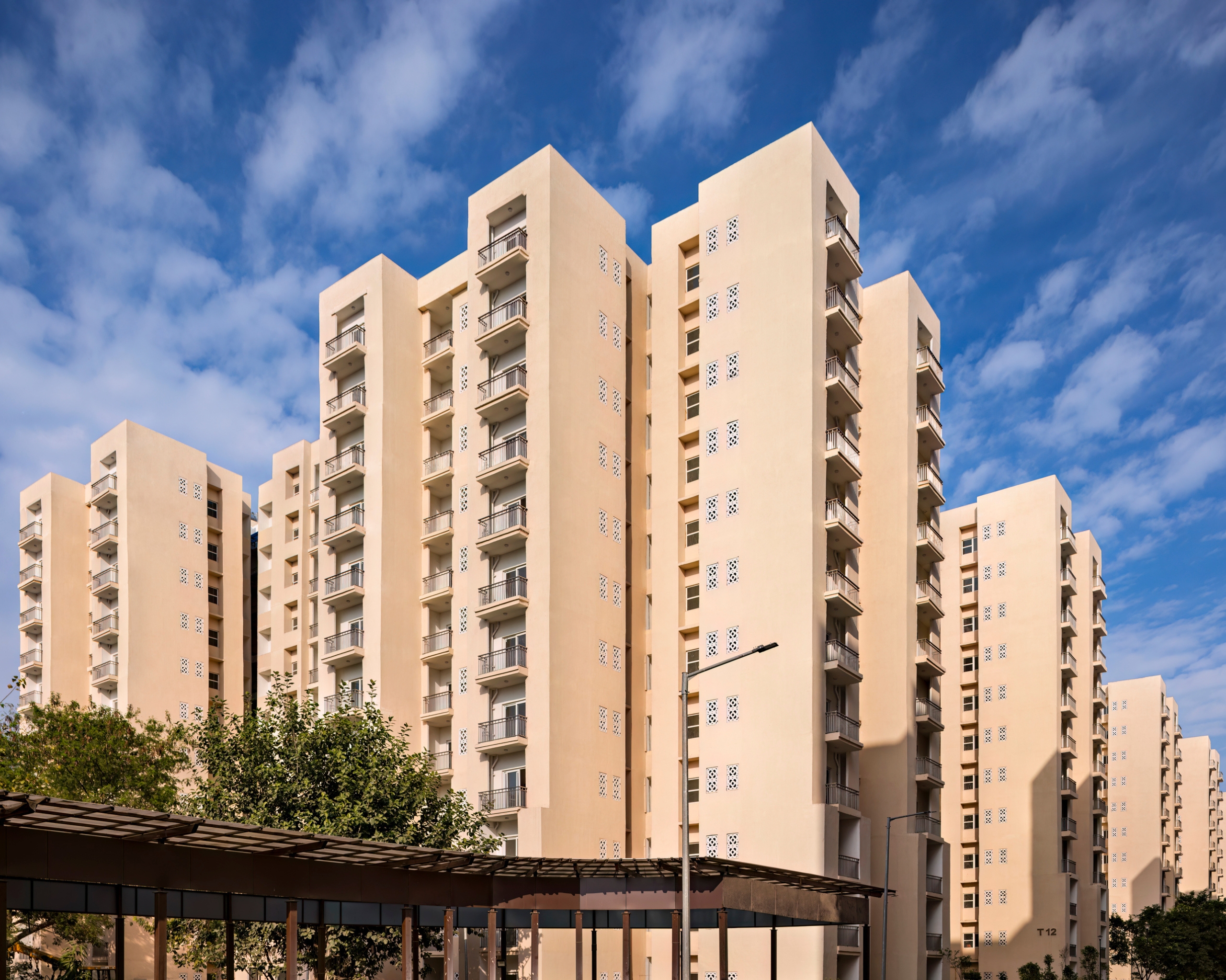
Indian cities have historically evolved around inherently people-centric systems of living. Traditional urban fabrics were shaped through walkable streets, mixed-use bazaars, shaded courtyards, community chowks, and active public edges that naturally supported interaction, accessibility, and a strong sense of belonging. These environments emerged from lived realities—responding to climate, culture, and everyday human needs.
However, as cities expanded rapidly under the pressure of rising densities, infrastructure demands, and economic growth, the focus of urban development gradually shifted towards scale, speed, and efficiency. In the process, many urban areas became increasingly fragmented, with dense concrete environments often replacing the social and experiential layers that once defined city life.
Today, the challenge is ensuring that cities remain liveable, inclusive, and meaningfully connected to people. People-centred urban planning responds to this shift by placing human experience at the core of design and development. It prioritises how people move through cities, access essential services, engage with public spaces, and experience daily life. Walkability, mixed-use integration, shaded pedestrian networks, accessible public infrastructure, and efficient transit systems collectively help create urban environments that function at a more intuitive and human scale, even in high-density conditions.
At the same time, the idea of people-centric cities is closely linked to identity and continuity. Cities that retain their local character often feel more grounded and naturally people-oriented because they remain connected to their original cultural and spatial logic. Whether through street life, architectural expression, materiality, or the design of public spaces, this sense of continuity helps cities remain relatable even as they grow and modernise. In many ways, this reinforces the idea that people-centric planning is something already embedded in the DNA of Indian cities.
In this context, technology can play a critical role in bridging the gap between local realities and contemporary aspirations. Smart mobility systems, data-driven infrastructure planning, environmental monitoring, and digitally enabled public services can enhance efficiency and accessibility without diluting local identity. When used rightly, technology becomes an enabler—helping cities respond more effectively at scale while remaining sensitive to context and community needs.
The future of urban planning lies in restoring this balance. As Indian cities continue to densify, the focus must shift from purely building more to building better—creating environments that are efficient yet human, modern yet rooted. People-centred urban planning offers a framework for this transition, ensuring that cities grow in meaning, connection, and long-term liveability.