The Evolution of Indian Cities Towards Mixed-Use Environments
Across Indian cities, the way built environments are structured is undergoing a subtle recalibration. Planning frameworks that once separated living, working, and leisure into distinct zones are gradually giving way to more interwoven models of development. In their place, mixed-use environments are emerging as a necessary response to the evolving nature of urban life.
Multiple, overlapping pressures are shaping this shift. Increasing density, rising land values, and the inefficiencies of fragmented daily routines have collectively begun to challenge traditional models of planning. As cities expand, distance is no longer just spatial—it becomes a constraint on time, productivity, and overall quality of life. Mixed-use developments begin to address this by bringing together diverse functions within cohesive, accessible environments.
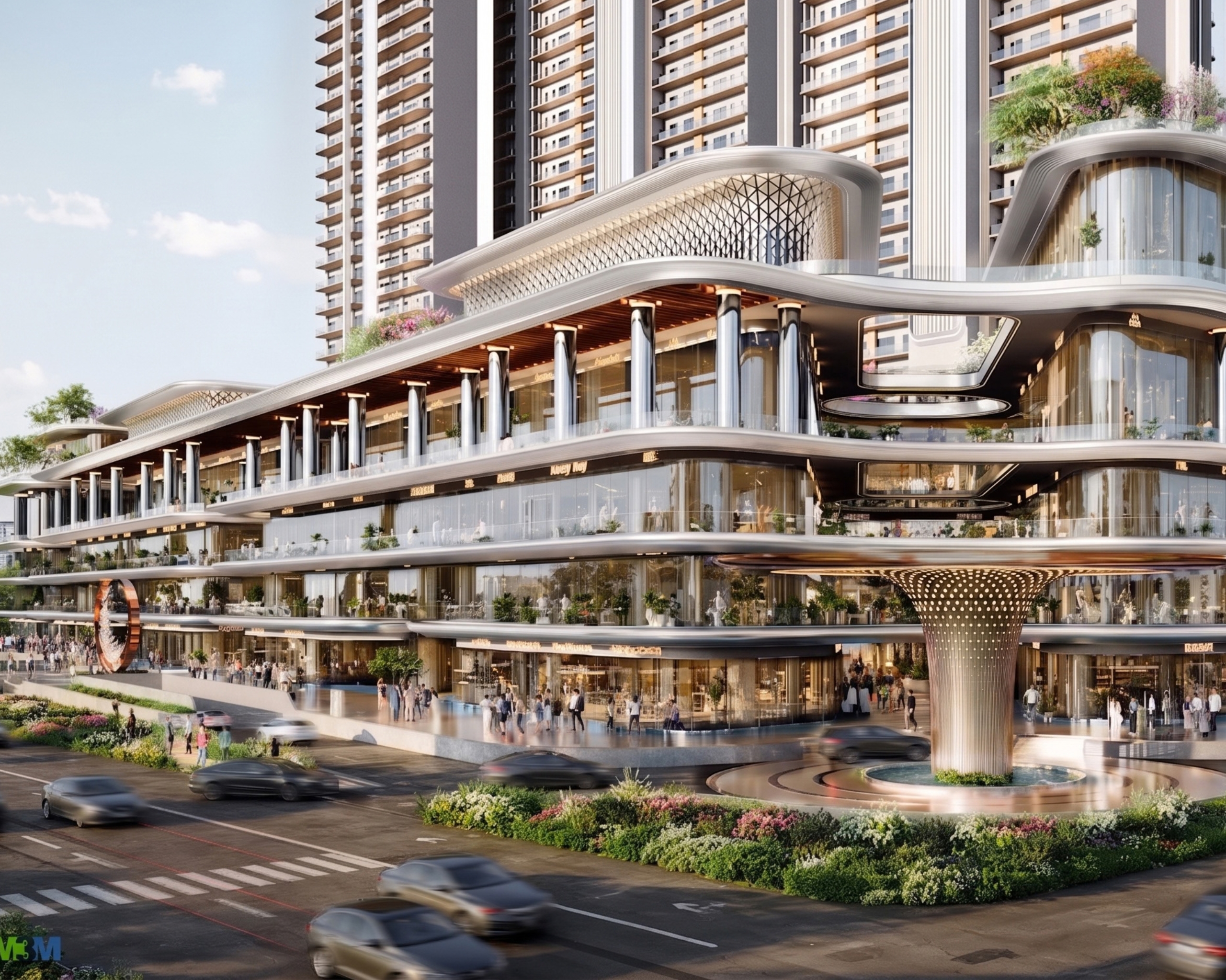
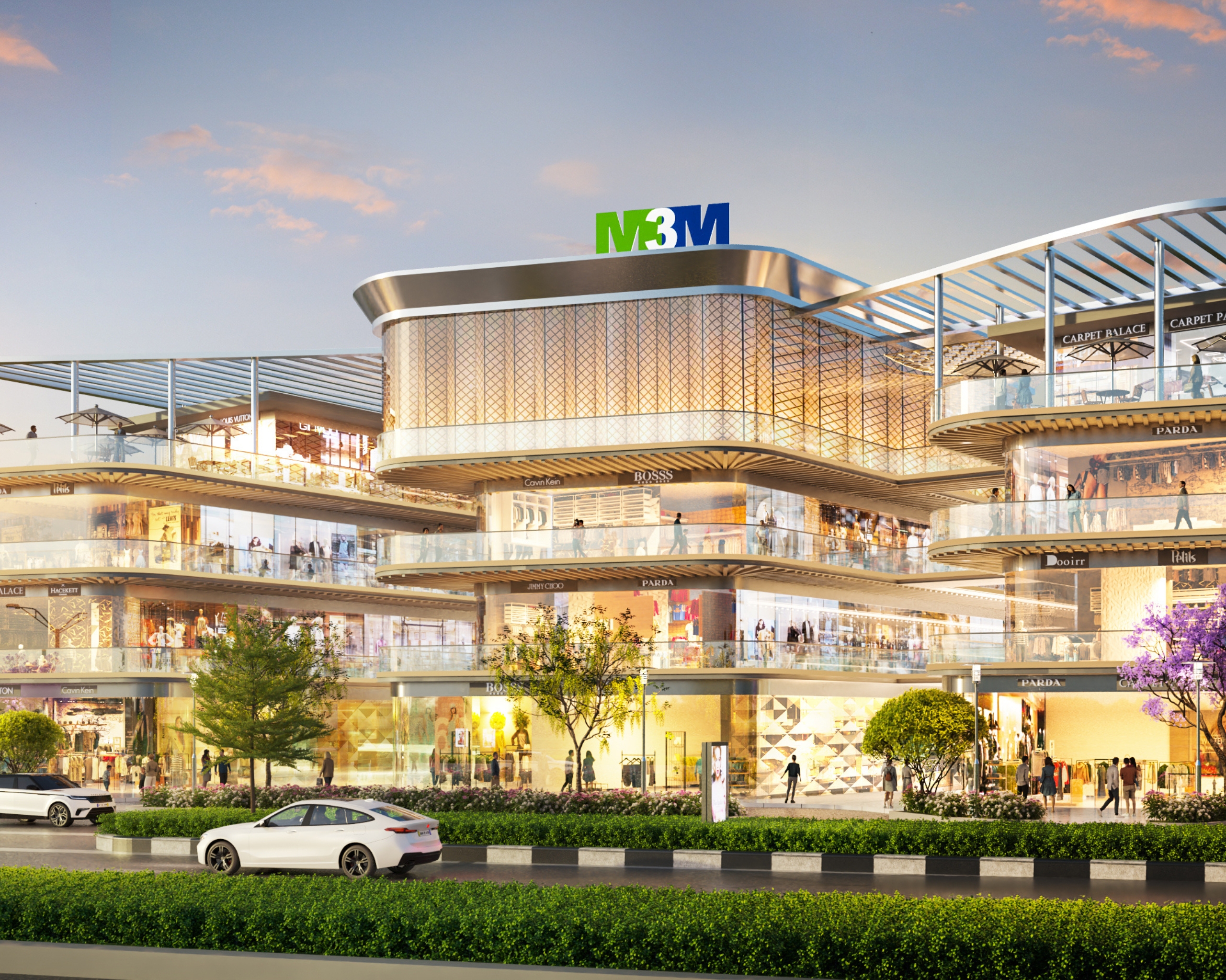
Beyond efficiency, there is a noticeable shift in how people expect to engage with built environments. Spaces are no longer perceived as single-purpose destinations, but as part of a continuous, everyday experience. The idea of accessing work, retail, and leisure within a walkable framework is now becoming central to urban living. In cities such as Mumbai, Gurugram, and Bengaluru, this shift is already influencing how developments are conceived and experienced over time. Increasingly, these environments also extend into shared public spaces such as courtyards, piazzas, and active edges that support everyday social interaction.
Design, therefore, becomes an act of calibration here, between movement and pause, public and private, activity and comfort. Transitional spaces such as courtyards and shaded walkways help absorb intensity, while active ground planes ensure that developments remain connected to their urban context. Equally, the quality of experience becomes critical. In high-density environments, factors such as light, acoustics, materiality, and ventilation often determine whether a space feels intuitive or overwhelming. Designing with sensitivity to these elements allows mixed-use environments to remain usable and engaging over time.
As this typology evolves, the focus is gradually shifting from combining uses to integrating experiences. The real opportunity lies in moving from coexistence to interdependence, where each component strengthens the other, and the whole operates with greater coherence. In this sense, mixed-use developments are emerging as a long-term response to the changing realities of urban life, shaping cities that are more connected, adaptable, and resilient for the future.