Designing with Technology: Integrating Digital Tools into the Architectural Process

Architecture has witnessed a journey of transformation, from the tactile precision of hand-drafted drawings to the digital accuracy of AutoCAD, and now, to the intelligent versatility of computational and generative design. Each era has redefined how architects think, create, and communicate ideas, transforming the design process from a linear craft into an adaptive, data-driven dialogue between imagination and technology.
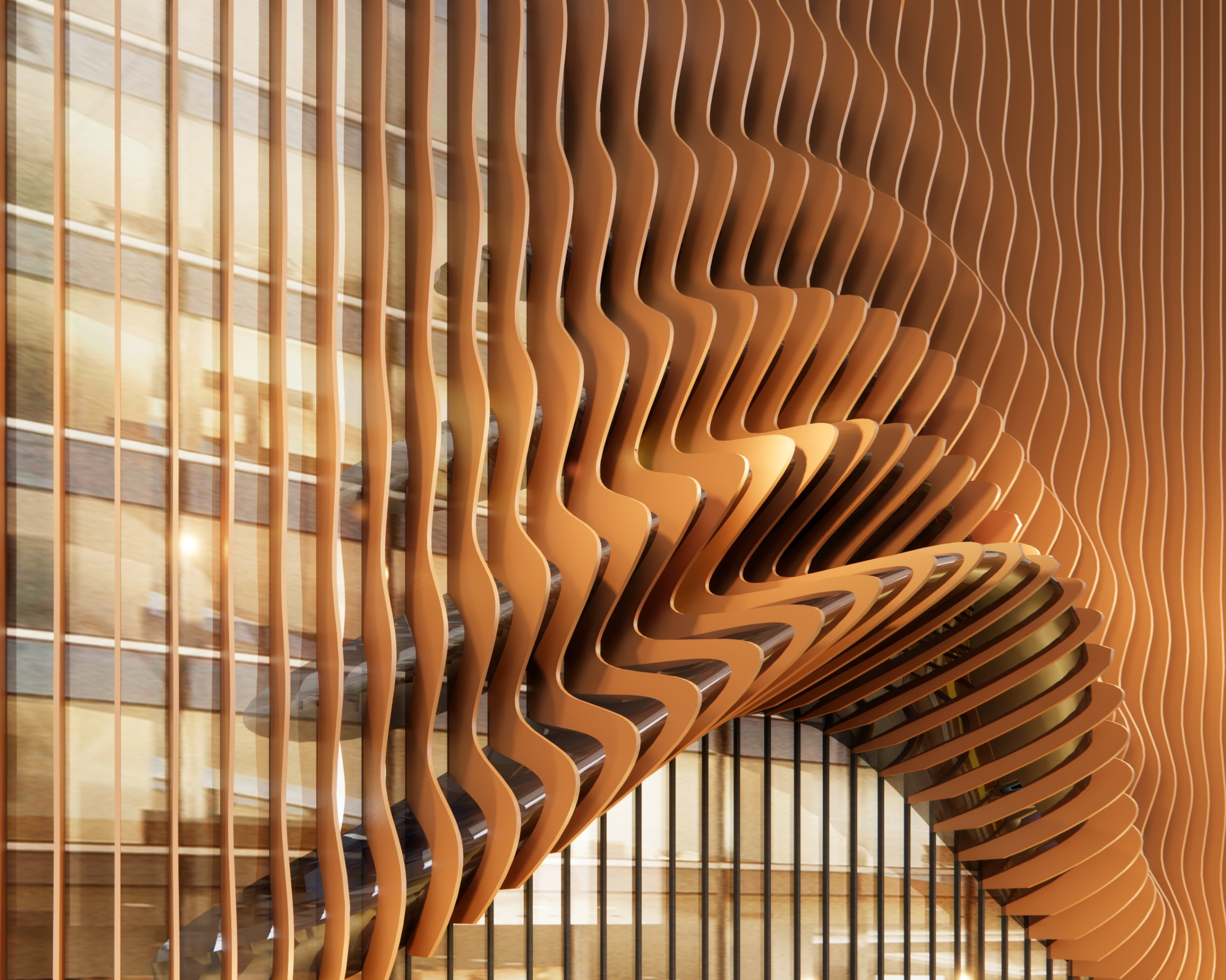
Today, digital tools are reshaping the very language of design. Parametric modelling platforms like Rhino and Grasshopper enable designers to experiment freely with form, scale, and geometry. Through algorithmic scripting, forms can evolve dynamically, adapting in real time to changes in design intent or context. This workflow, where design exploration precedes detailed drafting, has introduced a new kind of agility — one that saves time, encourages iteration, and enhances precision.
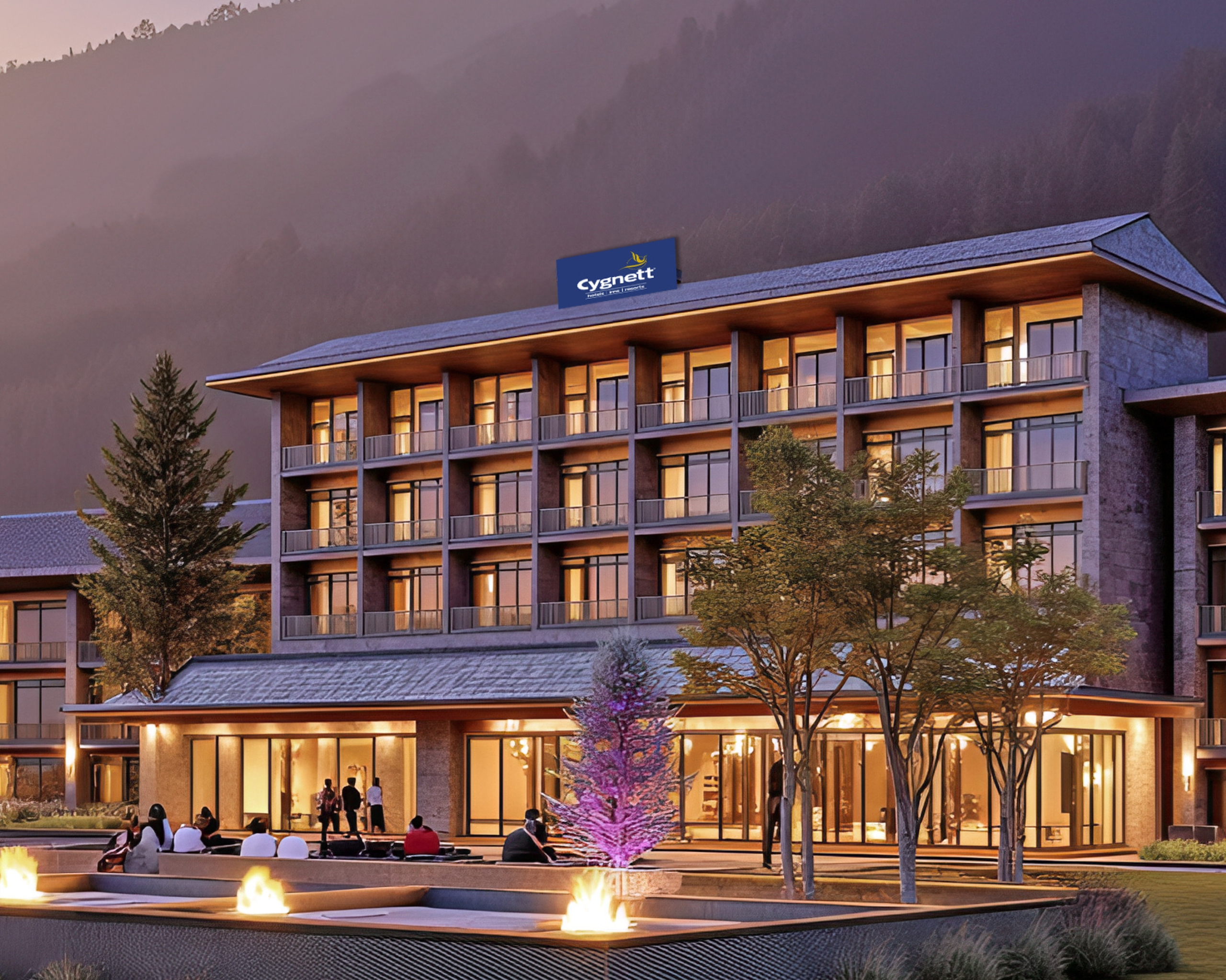
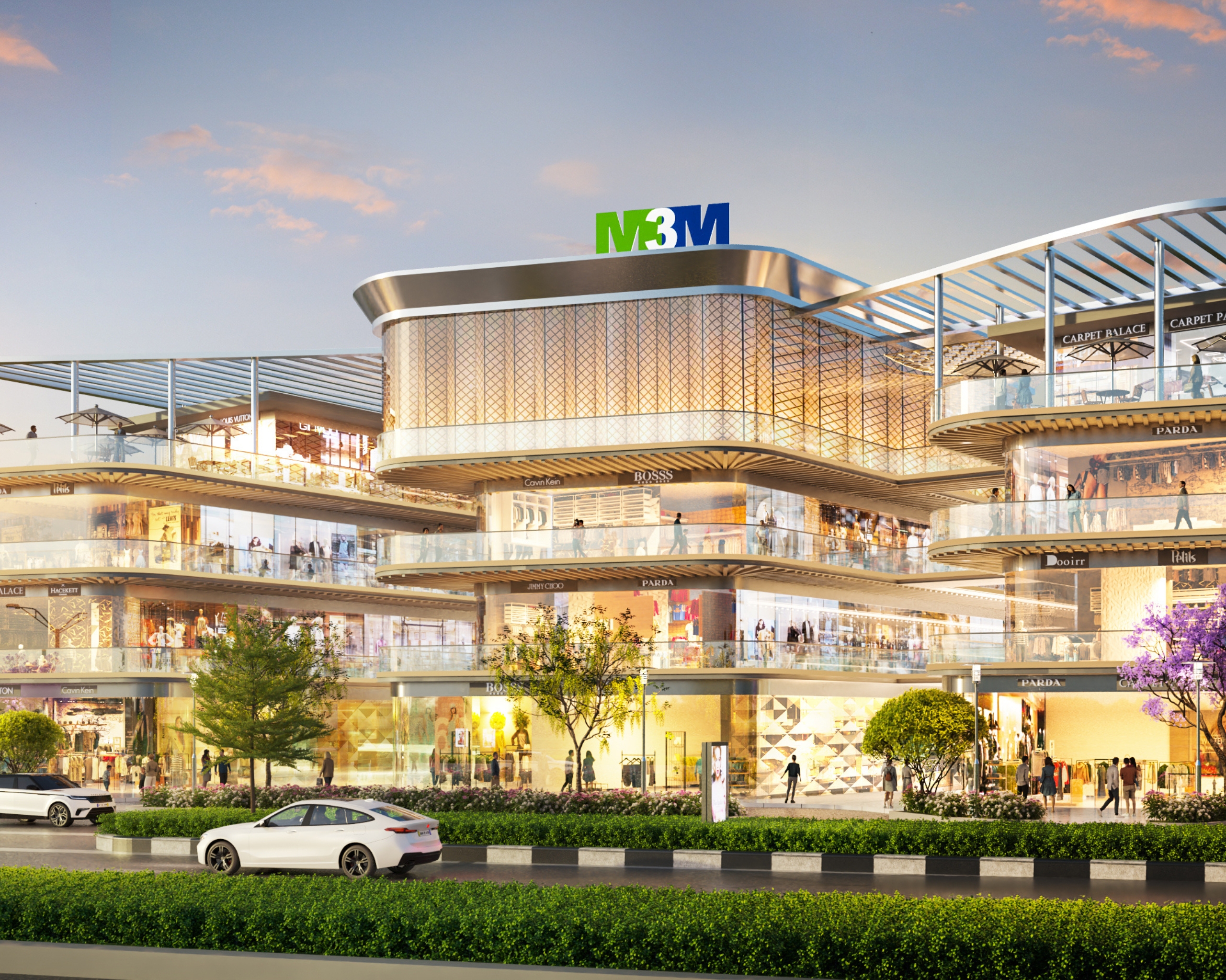
Artificial Intelligence has become an equally transformative companion in this process. Through AI-based rendering and visualisation tools, architects can translate conceptual prompts into vivid visuals, testing materials, façades, and compositions within seconds. These explorations help teams probe the potential of design ideas, discover new aesthetics, and even redefine traditional notions of creativity. For instance, in the design development of M3M Route 65 in Noida, AI tools were used to experiment with multiple ceiling design options for the food court, enabling rapid exploration of forms, textures, and lighting patterns before finalising the most contextually fitting solution.
Virtual Reality adds yet another dimension, turning design from something imagined into something experienced. With immersive VR walkthroughs, clients can inhabit spaces before they are built, understanding light, movement, and proportion with newfound clarity. This immediacy transforms client engagement into a more collaborative and informed dialogue.
Beyond visualisation, these digital systems extend into performance and precision — aiding environmental analysis, fabrication, and data visualisation. From evaluating sun paths and wind flows to generating fabrication-ready models, technology ensures that every design decision is both imaginative and intelligent.
The evolution of architectural design tools embodies a mindset of constant learning and exploration. As architecture steps deeper into this digital frontier, the essence remains unchanged: to shape spaces that respond to people and place. Technology simply expands the horizon, empowering architects to build with greater empathy, efficiency, and foresight.