How Generative AI is Finding Its Place in Architectural Practice
Architectural practice has always evolved in response to changing ways of thinking, building, and solving problems. As projects become more complex and expectations around performance, sustainability, and user experience continue to grow, the design process itself is becoming more exploratory and data-informed. This shift is encouraging architects to look beyond conventional workflows towards technologies that support deeper investigation rather than simply faster production. In this context, generative AI is emerging as a valuable design tool to broaden the way ideas are explored, tested, and refined.
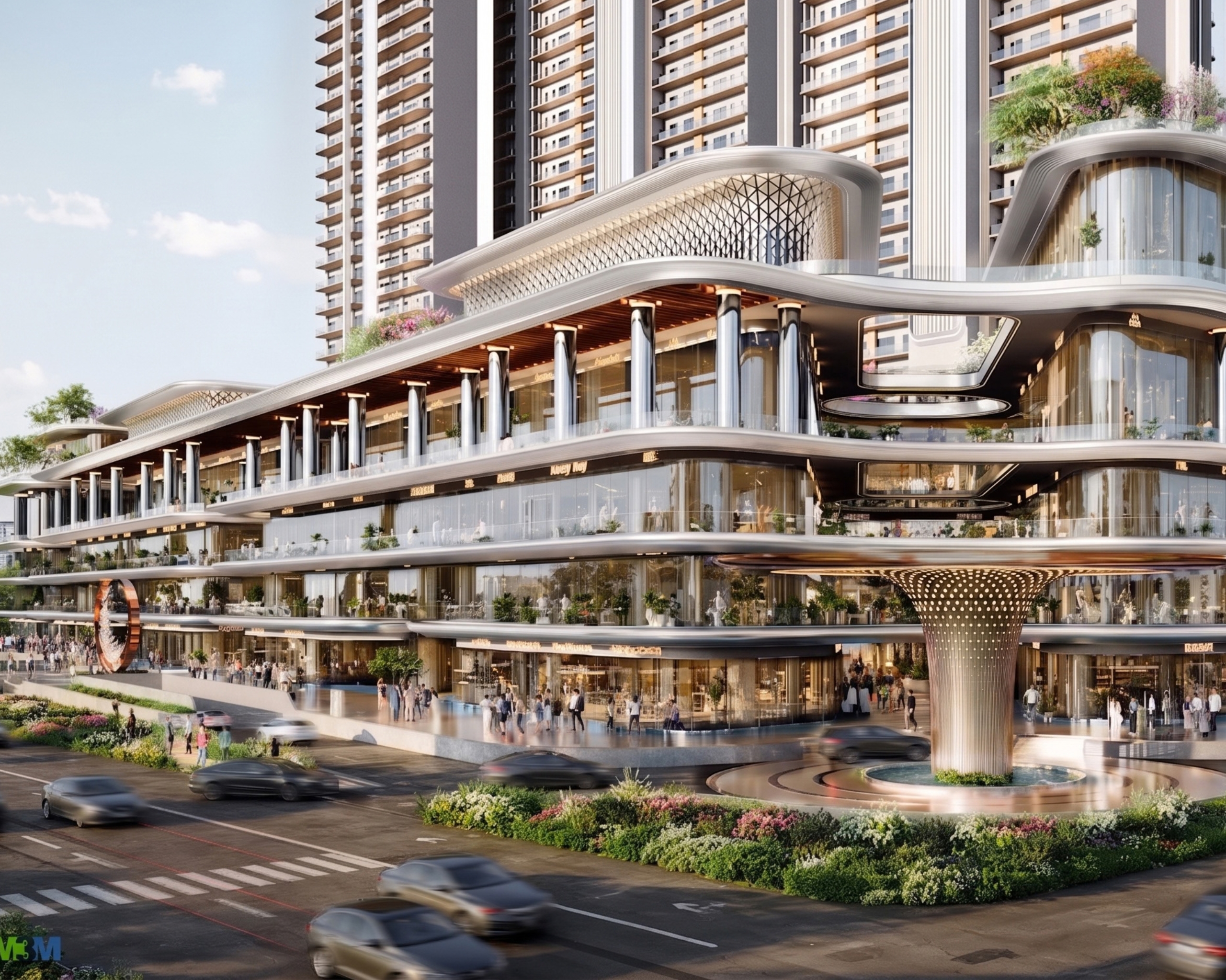
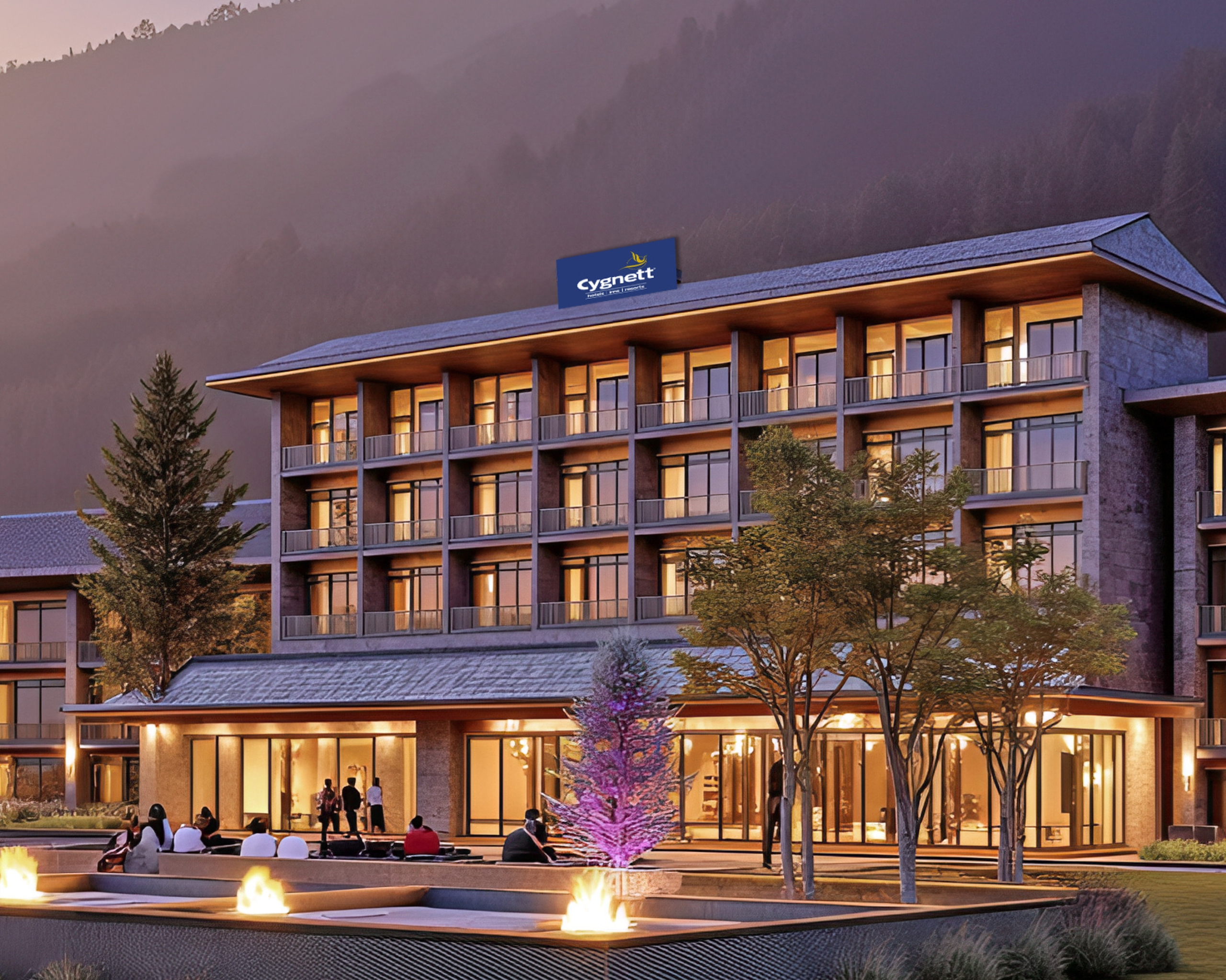
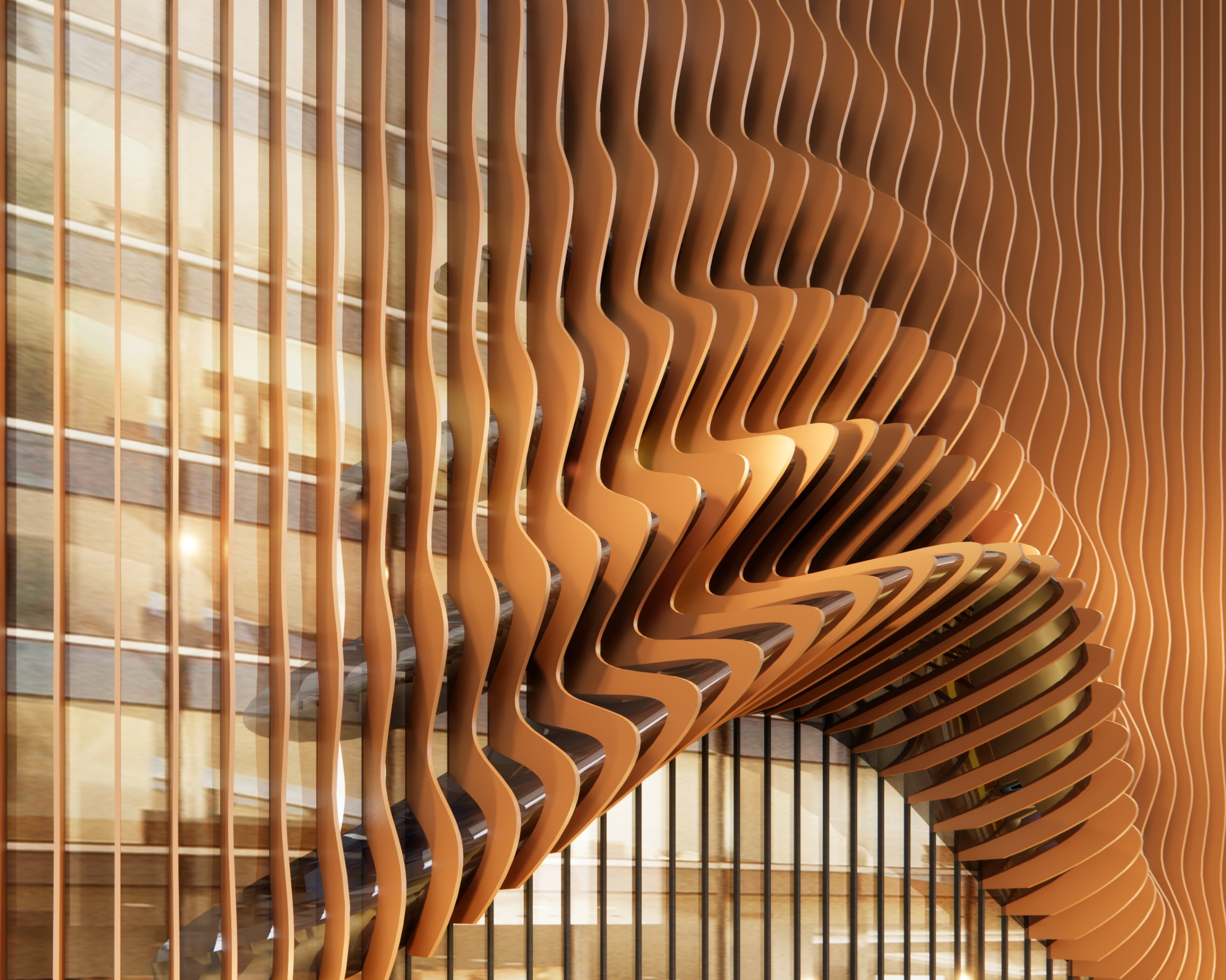
Unlike traditional digital tools that primarily focused on documentation and coordination, generative AI is influencing one of the most exploratory phases of architecture—the early stages of design. It allows teams to quickly visualise different possibilities for materiality, form, façade expression, and spatial experience, creating a broader base for discussion before a design direction is finalised.
At GPM, this evolving relationship between technology and design is explored through the Design Research Lab (DRL), a dedicated research vertical focused on understanding how emerging tools can meaningfully contribute to architectural practice. The approach is not centred on adopting technology to strengthen existing workflows and support better design decisions. Within DRL, AI-assisted platforms such as Midjourney, Flux AI, Stable Diffusion, PromeAI, and DALL·E are explored for early-stage visualisation and concept development. These tools enable teams to test possibilities around materiality, façade expression, spatial character, and design language, helping transform initial ideas into visual studies that can be evaluated and refined. Tools such as Runway are also being explored for motion-based visualisation and immersive design communication.
However, AI forms only one part of a larger digital workflow. Its effectiveness stems from integration with computational design processes, in which tools such as Rhino and Grasshopper, supported by scripting, enable architects to develop responsive and adaptable models. Parametric workflows enable complex geometries, façade systems, and spatial configurations to be tested through multiple iterations, while incorporating environmental analysis and performance studies earlier in the process.
This combination of generative AI and computational design creates a more connected workflow—from initial exploration to technical refinement. Ideas can be visualised, evaluated, modified, and developed with greater agility, allowing design teams to focus more on decision-making and problem-solving rather than repetitive processes.
At the same time, integrating generative AI requires a critical approach. Architectural decisions extend beyond visual outcomes and must respond to context, climate, functionality, technical
feasibility, and human experience. AI-generated outputs are therefore treated as possibilities to investigate, rather than solutions to adopt directly. As generative AI continues to evolve, its role in architecture will be defined by thoughtful integration rather than the technology itself. Through the Design Research Lab, GPM continues to explore how emerging tools can expand creative possibilities while ensuring that architectural judgement, context, and purpose remain at the centre of the design process.