What 2026 Holds for Architecture and Urban Design

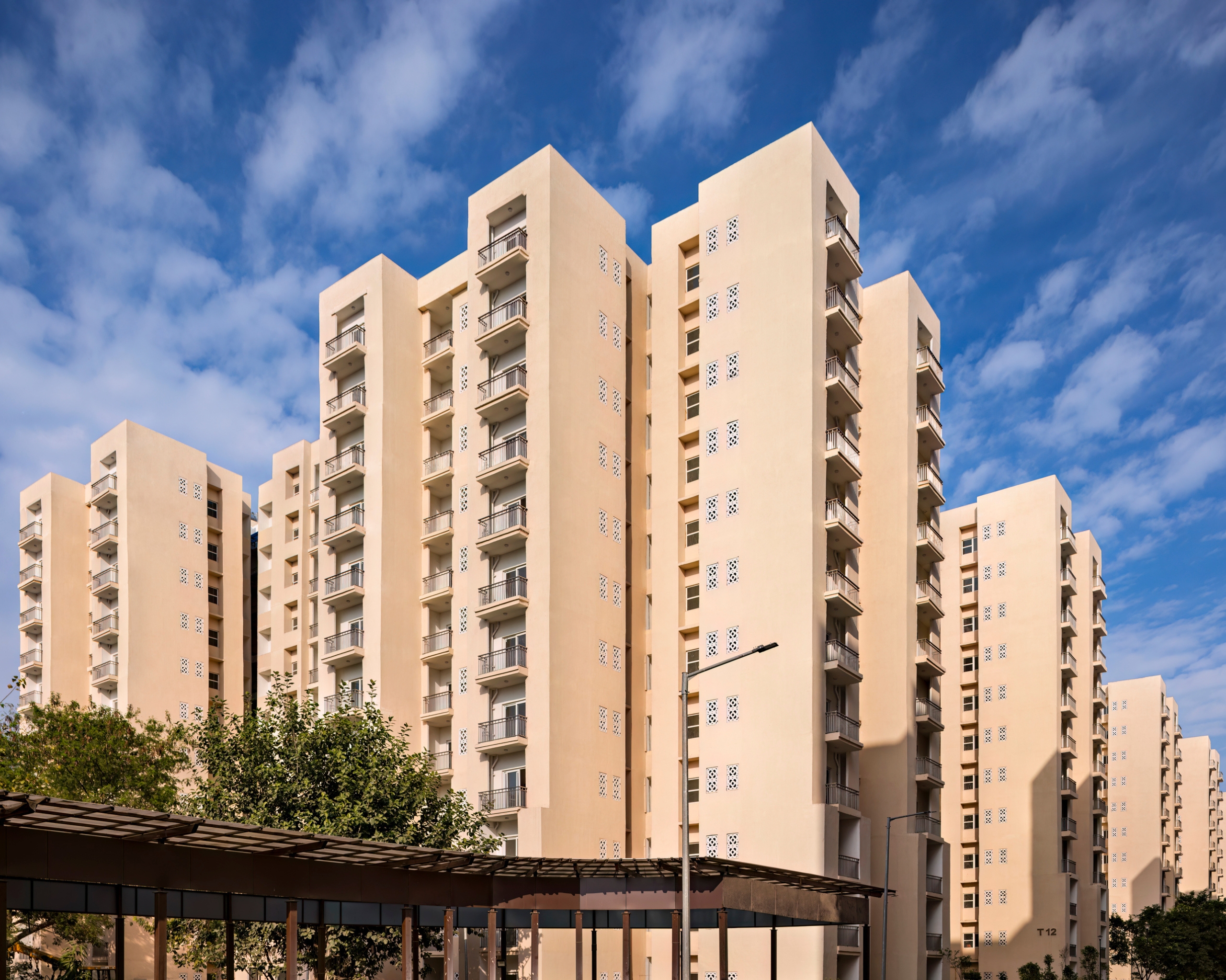
In just 30 years, India’s urban built-up area has more than doubled. This significant increase highlights the accelerating pace of urbanisation and the need for forward-thinking design solutions. As we step into 2026, this rapid growth presents an opportunity to redefine how we approach architecture and urban planning, focusing on creating interconnected, sustainable, and responsive spaces that meet the evolving needs of urban communities.
As technology continues to reshape the design landscape, architects are increasingly using artificial intelligence and computational tools to enhance creativity and efficiency. A recent report suggests that nearly one-fifth of architecture and engineering firms now use AI technologies. From predictive modelling for energy efficiency to AI-driven concept generation, these tools are transforming how cities and buildings are envisioned, enabling design to be more data-informed and human-in-intent.
This shift in technology is influencing the larger fabric of urban development. As cities expand, planners are increasingly focused on creating sustainable, connected urban spaces. Transit-oriented development is gaining momentum, integrating public transport hubs with residential and commercial districts to reduce congestion, improve mobility, and enhance urban infrastructure efficiency. Green corridors, landscaped streets, and accessible open spaces are becoming central to city planning, ensuring that ecological and social needs are addressed alongside growth. With the rising urban population and densification, these strategies are crucial to maintain liveability and resilience at scale.
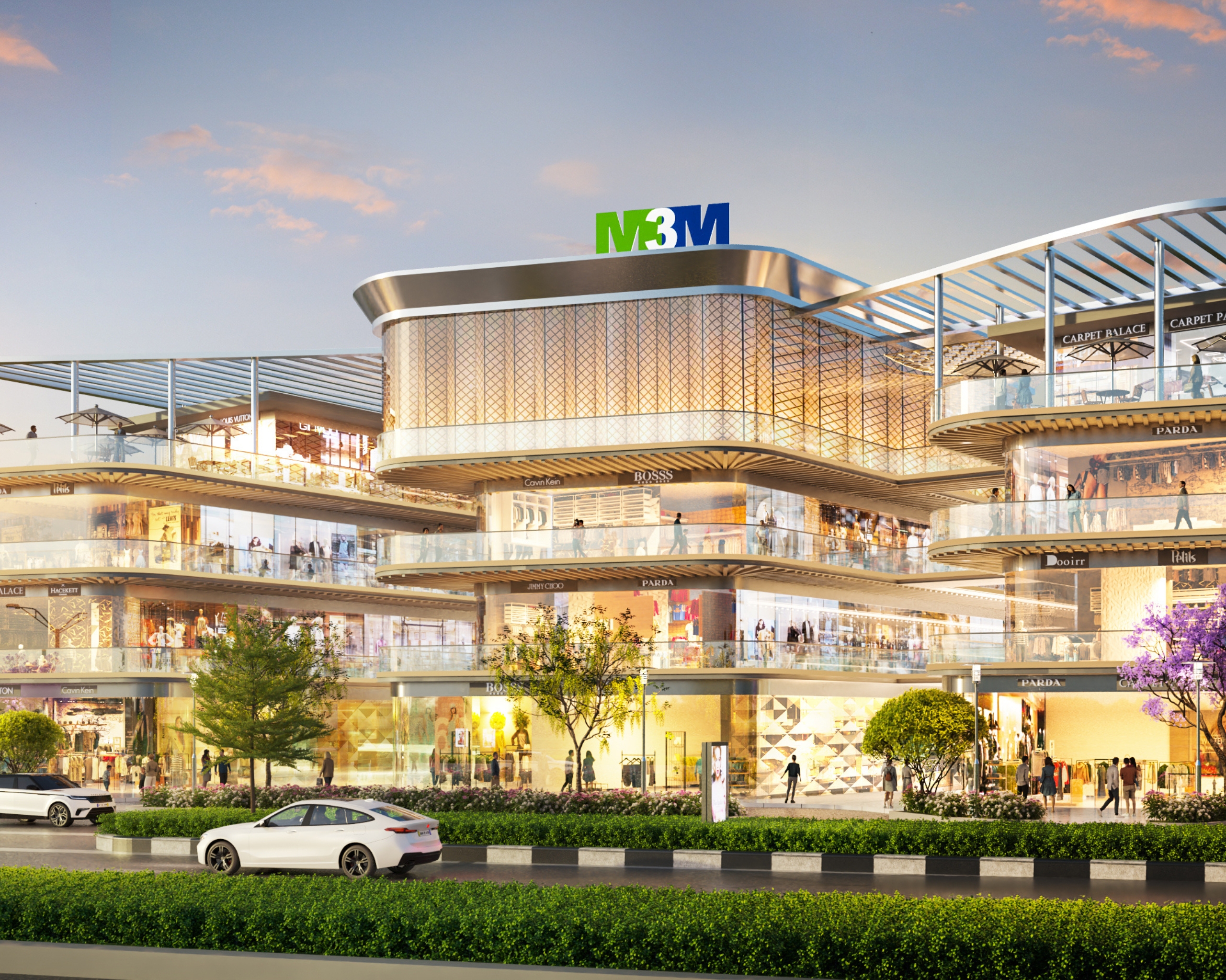
At the neighbourhood level, the emphasis is on developing self-sustaining, mixed-use communities. These spaces integrate residential, commercial, and recreational functions while preserving green space and cultural character. Thoughtful layouts prioritise walkability, active public spaces, and smooth circulation, creating environments that encourage interaction and foster a strong sense of community. Sustainable design practices, including energy-efficient systems, rainwater harvesting, zero-discharge approaches, and climate-responsive building layouts, further enhance resilience. By harmonising human activity with nature and promoting vibrant street life, such neighbourhoods exemplify how cities can grow in a balanced and inclusive manner.
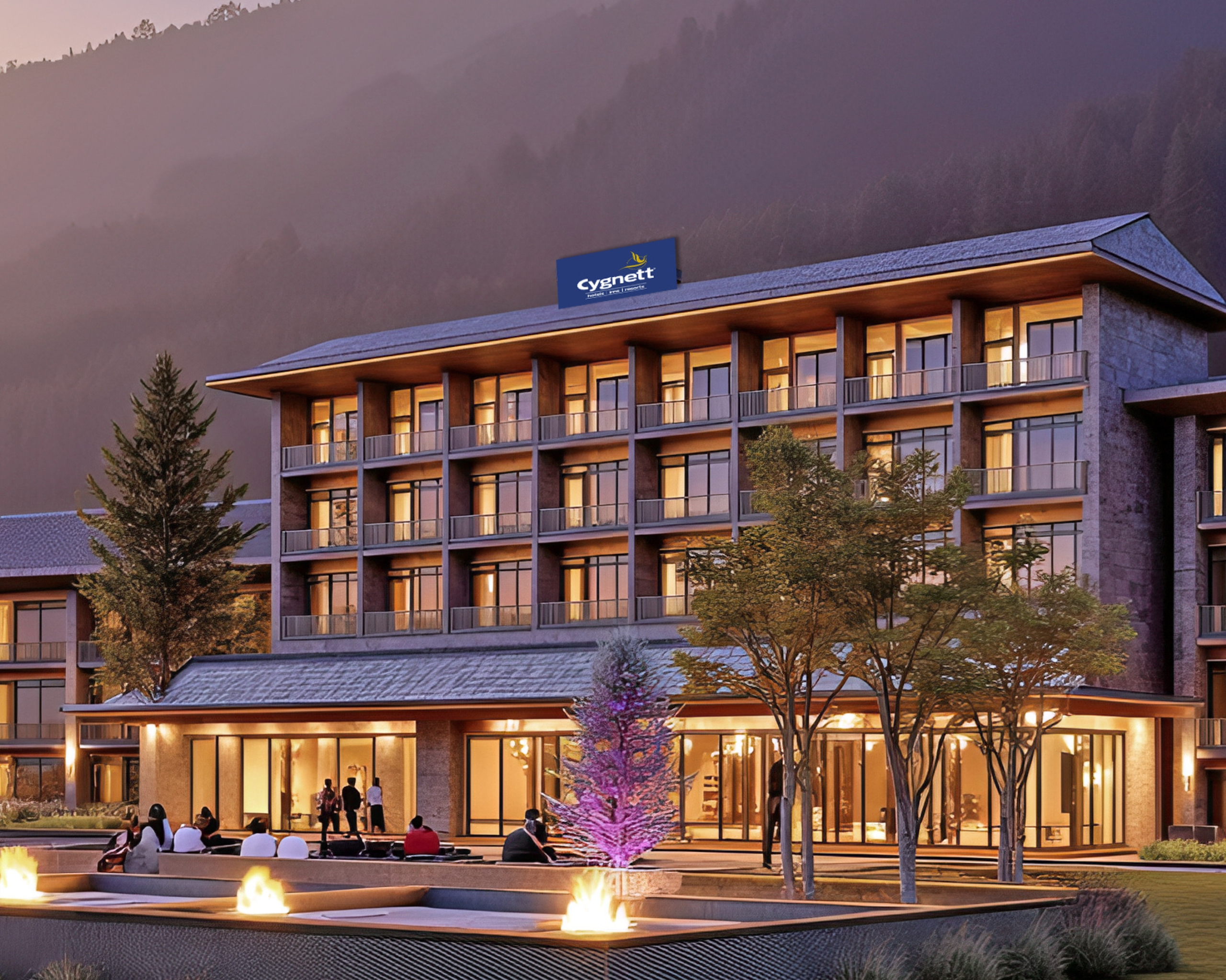
At the individual level, the concept of luxury is evolving beyond opulence to prioritise well-being, experience, and connection with nature and community. Branded residences and hospitality-driven living are shaping aspirational lifestyles that combine comfort with functionality. The growth of Tier-2 cities is expanding access to high-quality residential and commercial developments, allowing more communities to experience curated, sustainable, and socially engaging urban environments. These developments reflect the shift towards integrated living, where convenience, interaction, and wellness define modern urban life.
Looking ahead, 2026 offers an opportunity to design cities that withstand change, adapt to diverse needs and population growth, and remain inclusive. Through sustainable infrastructure, strategically designed public spaces, and neighbourhoods that nurture social connection, urban environments can become places of belonging, vitality, and enduring well-being.