Rethinking Urban Connectivity: How Transit-Oriented Development Is Changing The Way We Live

In Indian cities, the daily commute has become a defining factor of urban life. In metropolitan regions like Mumbai, Delhi-NCR, and Bangalore, the average commuter spends close to 1.5 hours on daily travel, a routine that chips away at productivity, leisure, and quality of life. Transit-Oriented Development (TOD) seeks to rewrite this narrative by prioritising mobility at the core of the urban experience, designing environments where movement is fluid, intuitive, and human-scaled.
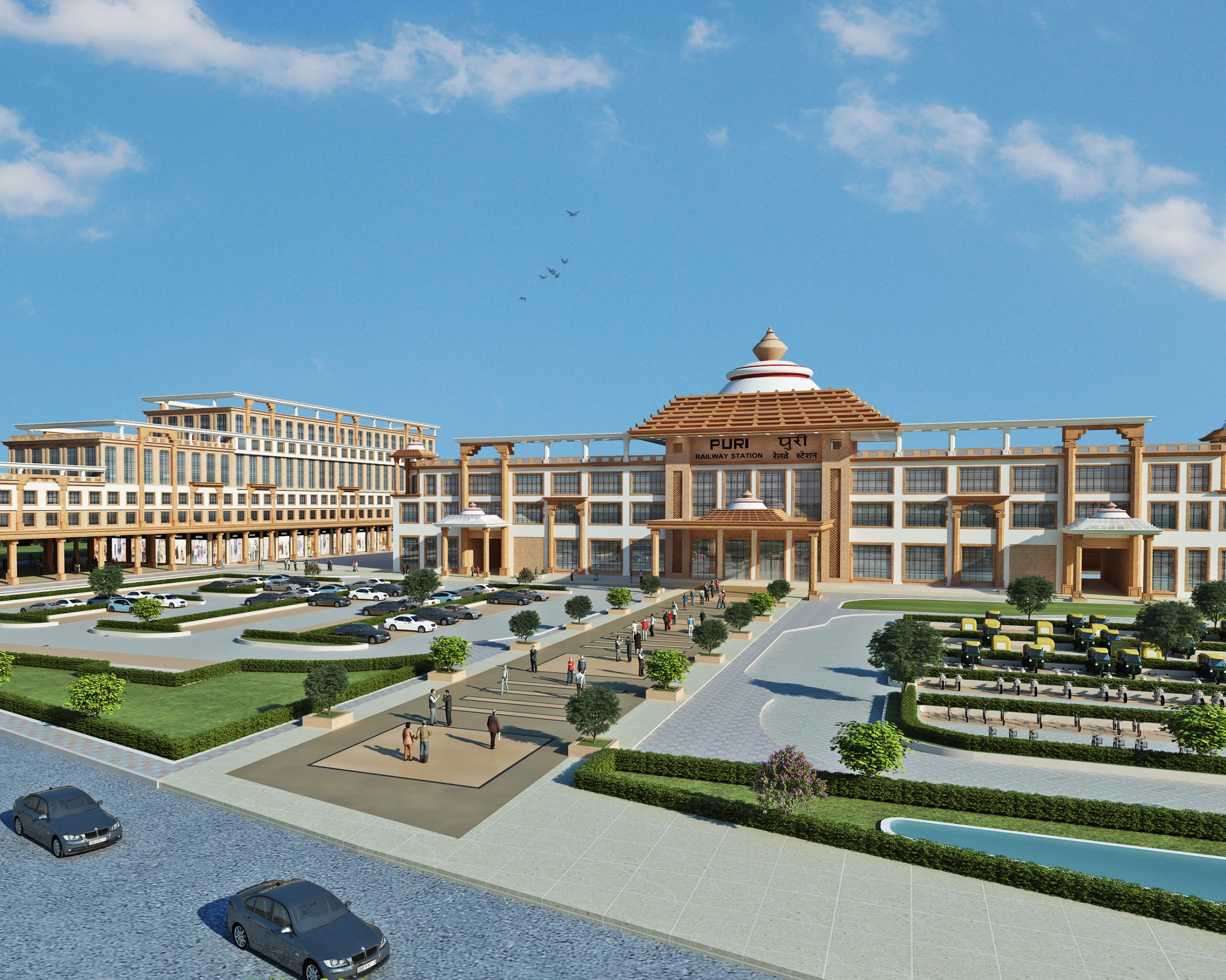
A well-designed Transit-Oriented Development is a careful weaving of life’s daily needs into the fabric of a walkable radius. Housing, workplaces, retail, and leisure spaces are clustered around high-capacity transit hubs. However, the real value lies in the ecosystem that TOD creates. Continuous, shaded footpaths encourage walking, while cycling lanes and traffic-controlled streets make active travel a safe option. Additionally, public spaces should transcend their role as passageways, evolving into plazas, green corridors, and cultural hubs that invite people to pause, gather, and engage with one another.
With strategic planning, the placement of buildings, the scale of streets, the rhythm of storefronts, and the integration of social spaces all orient themselves toward the pedestrian, ensuring last-mile connectivity. This can take the form of dedicated cycling corridors, shared micro-mobility services, electric shuttle loops, or even integrated pedestrian bridges that link directly to building clusters. Without this layer, even the most advanced transit systems risk underutilisation.
In India’s dense cities, Transit-Oriented Development (TOD) also carries a social dimension. Compact, mixed-use layouts create diverse housing options, fostering socio-economic inclusivity. Markets spill into courtyards, local shops thrive on foot traffic, and neighbourhood services become a natural part of the daily commute. With thoughtful urban design, the transit hub evolves into the heart of the community—connecting people to destinations while fostering a sense of belonging.
For India, where urban populations are projected to reach nearly 600 million by 2036, TOD is not a niche planning tool but a necessary foundation for sustainable growth. Aligning transport investments with land-use planning can help cities accommodate growth without rampant sprawl, reduce the strain on infrastructure, and create neighbourhoods that are inclusive, accessible, and economically resilient. The future of urban connectivity will be shaped by the efficiency of our transit systems and the quality of life they provide in the areas they connect.