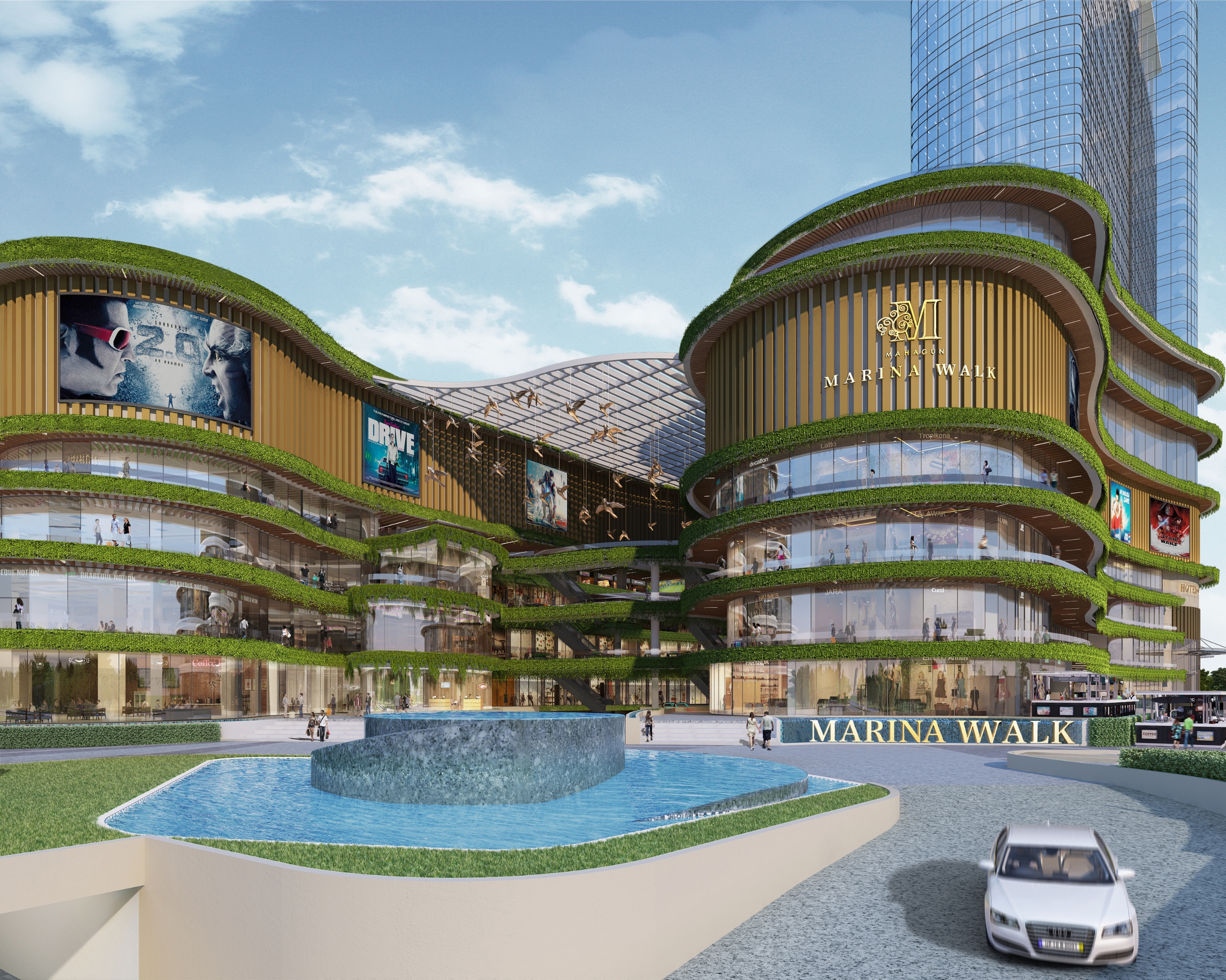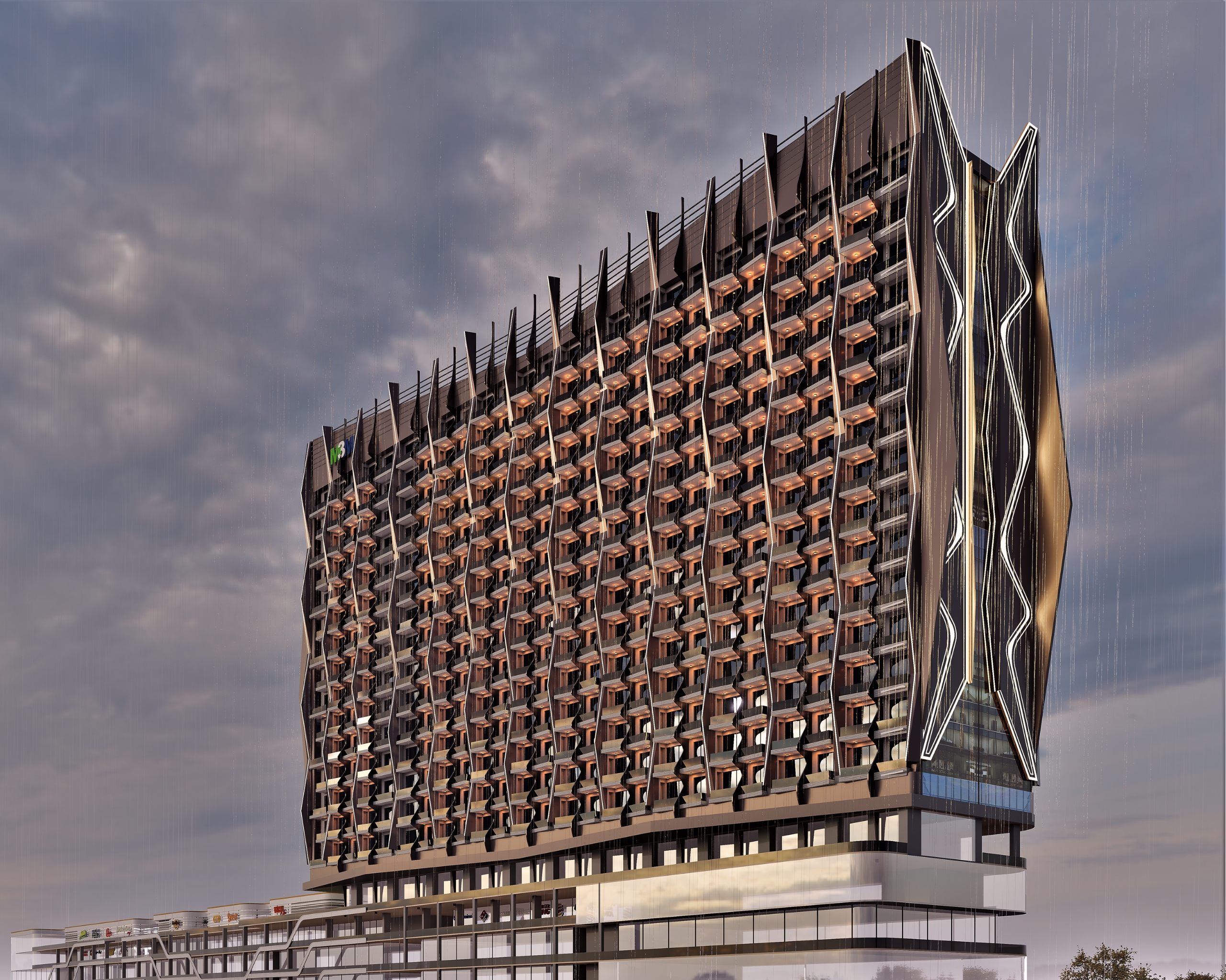
How Modern Infrastructure is Redefining Travel and Connectivity in India
Across cities and regions, infrastructure quietly underpins how life unfolds—supporting movement, enabling access, and shaping the rhythms of everyday experience. From transport networks to civic institutions, these systems do more than occupy space; they influence how efficiently economies function, how seamlessly people connect, and how equitably opportunities are distributed.
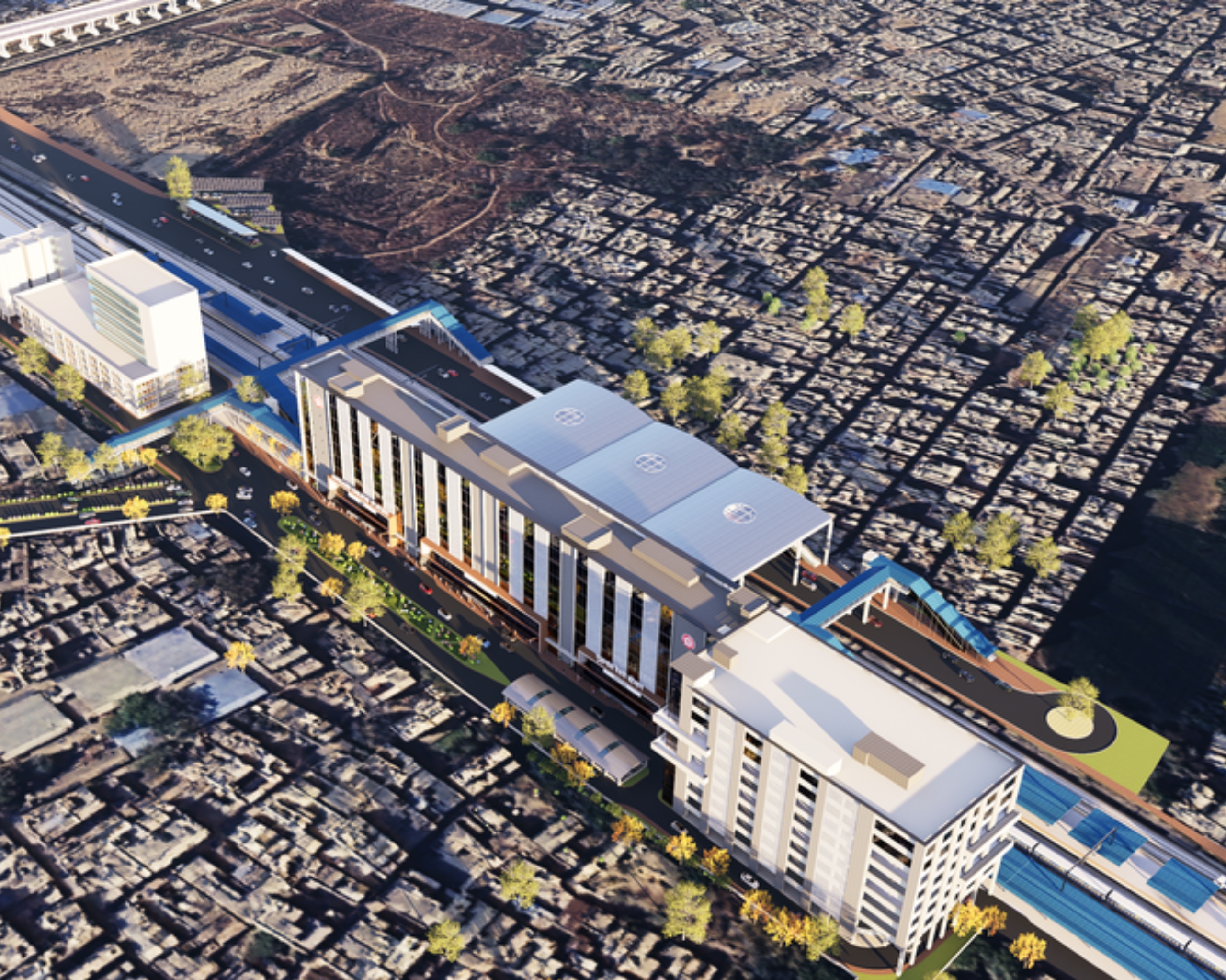
Modern infrastructure projects are no longer limited to utility. They are integrated ecosystems designed to enhance human experience, operational efficiency, and long-term adaptability. Transit hubs today, for instance, facilitate movement with carefully orchestrated spaces where circulation, safety, and accessibility converge. Passenger flows are strategically managed, inclusive pathways ensure barrier-free movement, and amenities such as lounges, retail zones, and waiting areas create self-sufficient environments that extend beyond mere functionality.
National initiatives like the Amrit Bharat Station Scheme exemplify this approach, envisioning railway stations as modern, passenger-centric hubs. Under this initiative, more than 1,300 railway stations across India have been identified for redevelopment into modern, passenger‑centric hubs, equipped with improved accessibility, enhanced amenities, and multimodal integration. By embedding cultural identity through materials, spatial expression, and local architectural references, these transit hubs also become landmarks that reflect the communities they serve.
At the same time, regional identity and sustainability are increasingly part of the design conversation. Architectural cues drawn from climatic considerations and cultural heritage, whether through shading strategies, passive design elements, or locally inspired material palettes, help to create spaces that are both comfortable and contextually rooted. Integrating energy‑efficient technologies alongside passive design improves thermal comfort while reducing long‑term operational loads, demonstrating a commitment to sustainability without compromising on efficiency or user experience.
The social and economic impact of infrastructure is profound. Well-planned hubs stimulate commerce, generate employment, and improve access to essential services. By connecting urban and regional economies, infrastructure acts as a multiplier for development, strengthening neighbourhoods and fostering inclusive growth. Public spaces, cultural expressions, and strategically designed civic facilities further reinforce the social fabric, making infrastructure a platform for community engagement and identity.
In a rapidly urbanising nation, the way we conceive and build infrastructure shapes how cities evolve and how people live. When infrastructure is designed with foresight, inclusivity, and context in mind, it becomes a catalyst for shared progress, resolving immediate challenges and laying the groundwork for resilient, connected, and thriving communities for generations to come.