Passive Design for Active Results in Modern Architecture
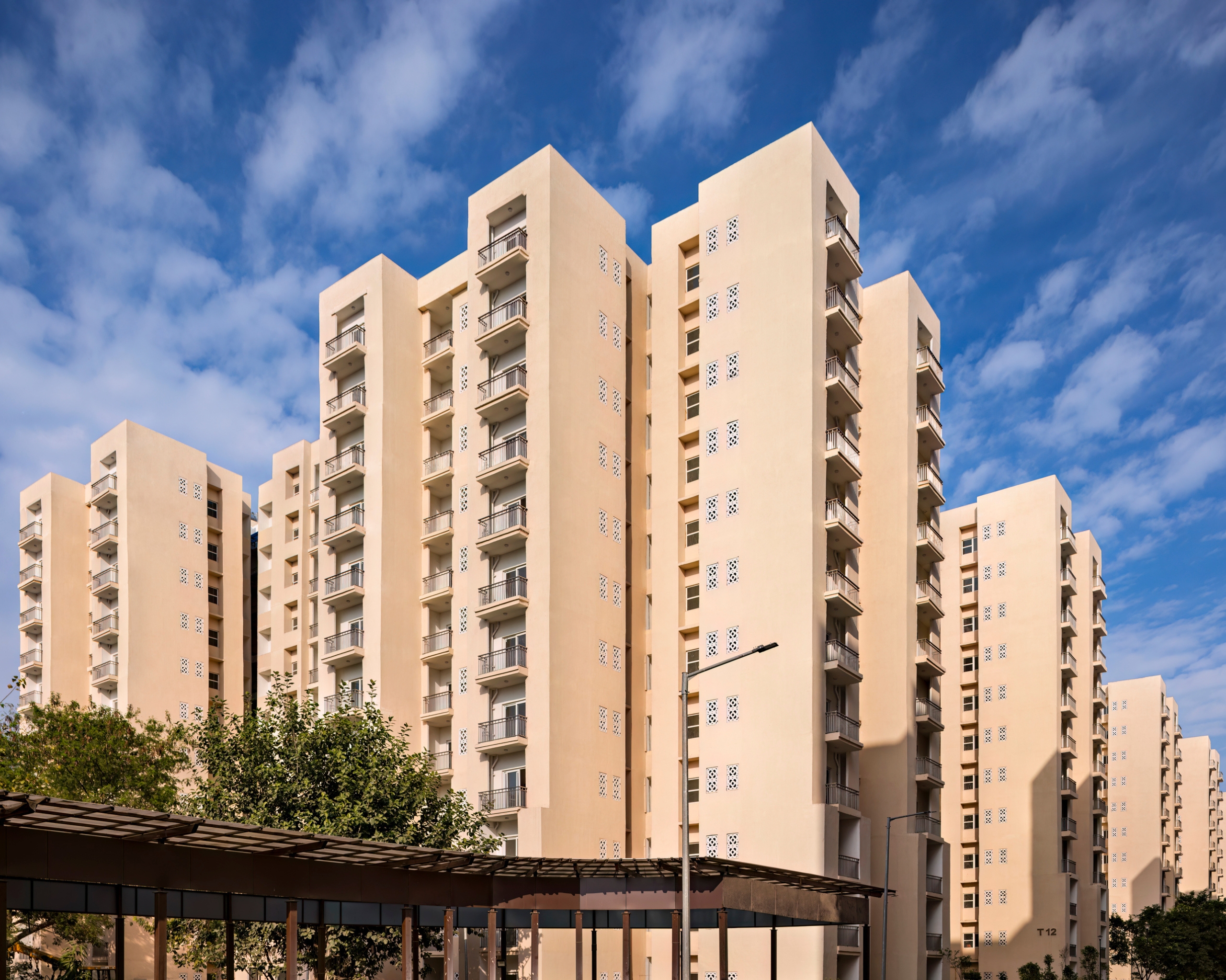
There was a time when comfort in buildings wasn’t achieved through machinery, but through an understanding of climate. Across India, architectural traditions responded strategically to heat, light, and airflow—courtyards that encouraged ventilation, stone walls that tempered temperature, jaalis that filtered sunlight, and shaded verandahs that eased transitions between indoors and outdoors. These were intentional energy strategies that shaped both comfort and daily experience.
Today, buildings account for nearly 30–40% of global energy consumption, with cooling demand in India projected to rise sharply as urbanisation and temperatures increase. In this context, passive design strategies offer a way to shape comfort and efficiency from the outset, reducing energy loads naturally while creating spaces that respond to people and climate alike.
A well-oriented building reduces heat gain before it reaches mechanical systems. Shading devices and daylight optimisation can lower indoor temperatures by 2–5°C and cut lighting energy use by up to 50% in commercial spaces. When combined with insulated walls, high-performance glazing, and calibrated façades, overall cooling demand can drop by 15–30%, depending on climate and building type. These strategies save energy and improve thermal and visual comfort for occupants.
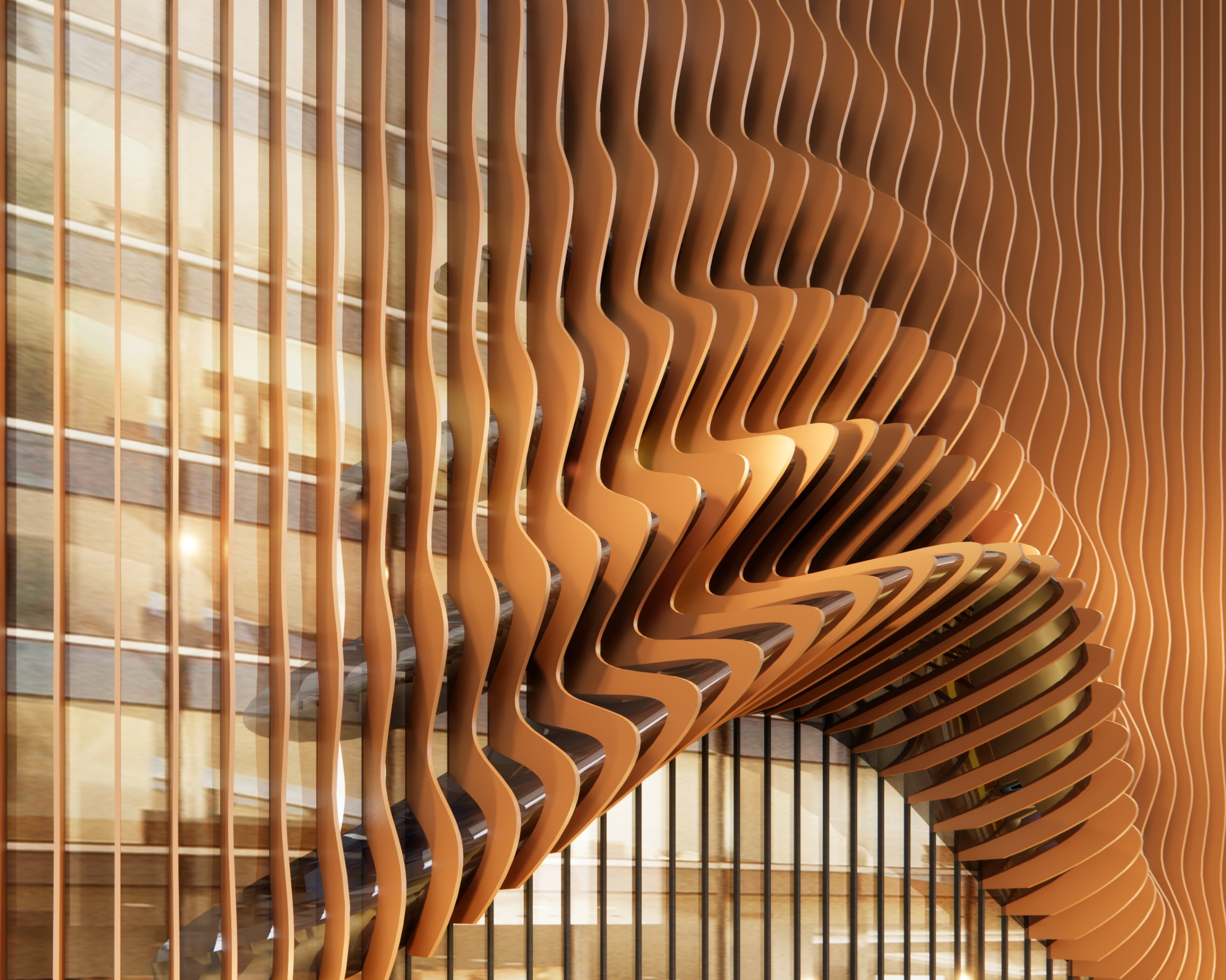
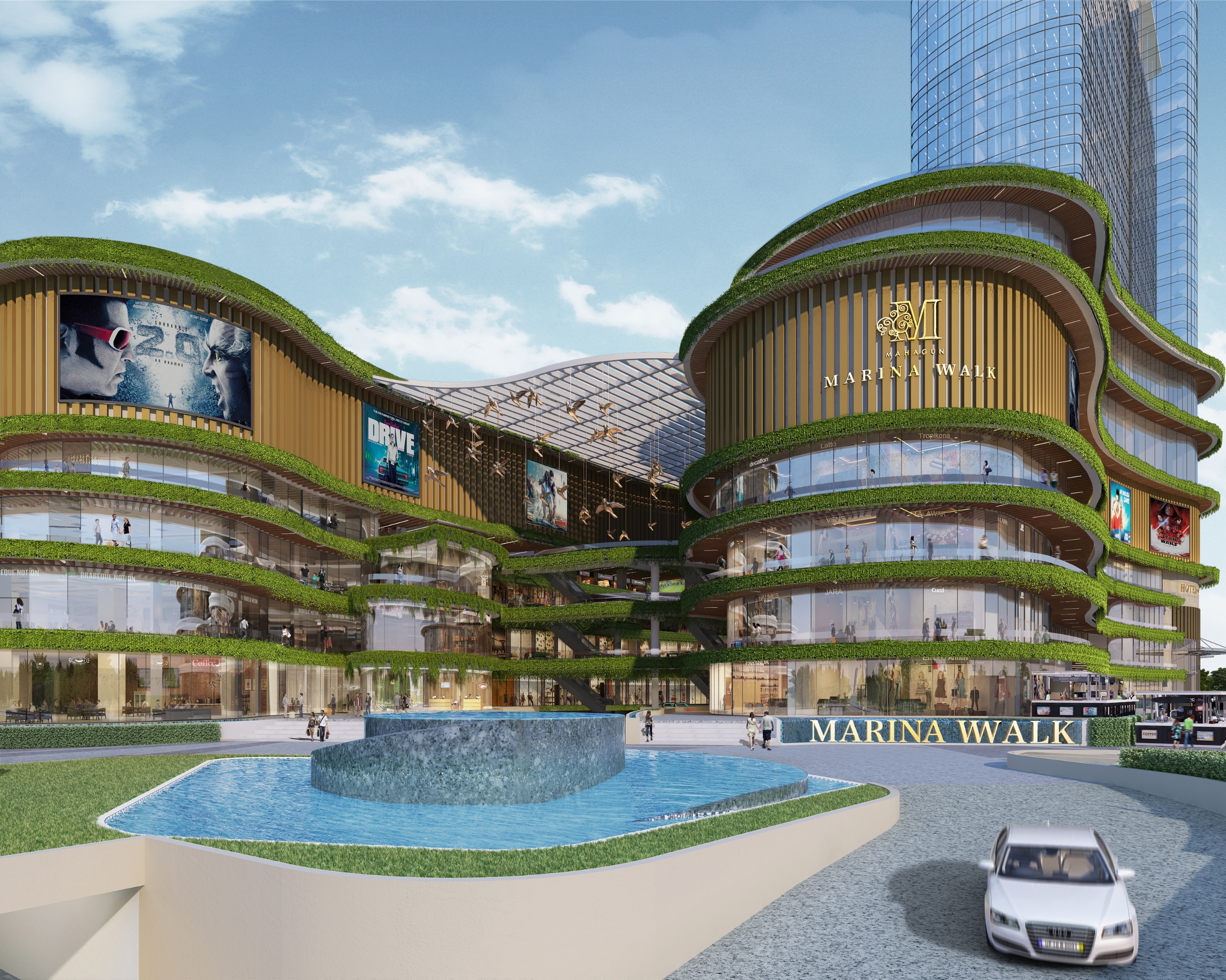
Passive design extends beyond walls and façades. Landscaped courtyards, shaded walkways, terraces, green buffers, and water features influence microclimates, make outdoor spaces usable, and enhance the overall experience of a building. Even the depth of a balcony, the orientation of a pergola, or the porosity of a screen becomes an intentional decision to guide airflow, manage daylight, and reduce energy loads. Integrating solar-responsive forms or photovoltaics enables buildings to conserve energy and generate it.
The strength of these strategies lies in foresight. Decisions made at the planning stage shape performance for decades—reducing energy loads, optimising daylight, and allowing mechanical systems to operate more efficiently and last longer. In rapidly developing cities, such foresight is particularly critical, lowering both operational costs and environmental impact. Passive design doesn’t oppose innovation; it grounds it. Technology may evolve, but orientation, proportion, material, and light remain timeless tools. With early considerations, design energies create results that are measurable, meaningful, and enduring, fostering comfort, resilience, and efficiency.