How Parametric Design is Shaping India’s Urban Future
Architecture is often understood through form, materials, and scale. Yet, in its very definition, it is about responding strategically to change. Change in how people live, how cities grow, and how environments behave over time. These forces are becoming increasingly complex worldwide, but in India, they take on unique dimensions. Rapid urban growth, diverse climates, resource constraints, and intricate social fabrics require design approaches that are both flexible and deeply contextual.
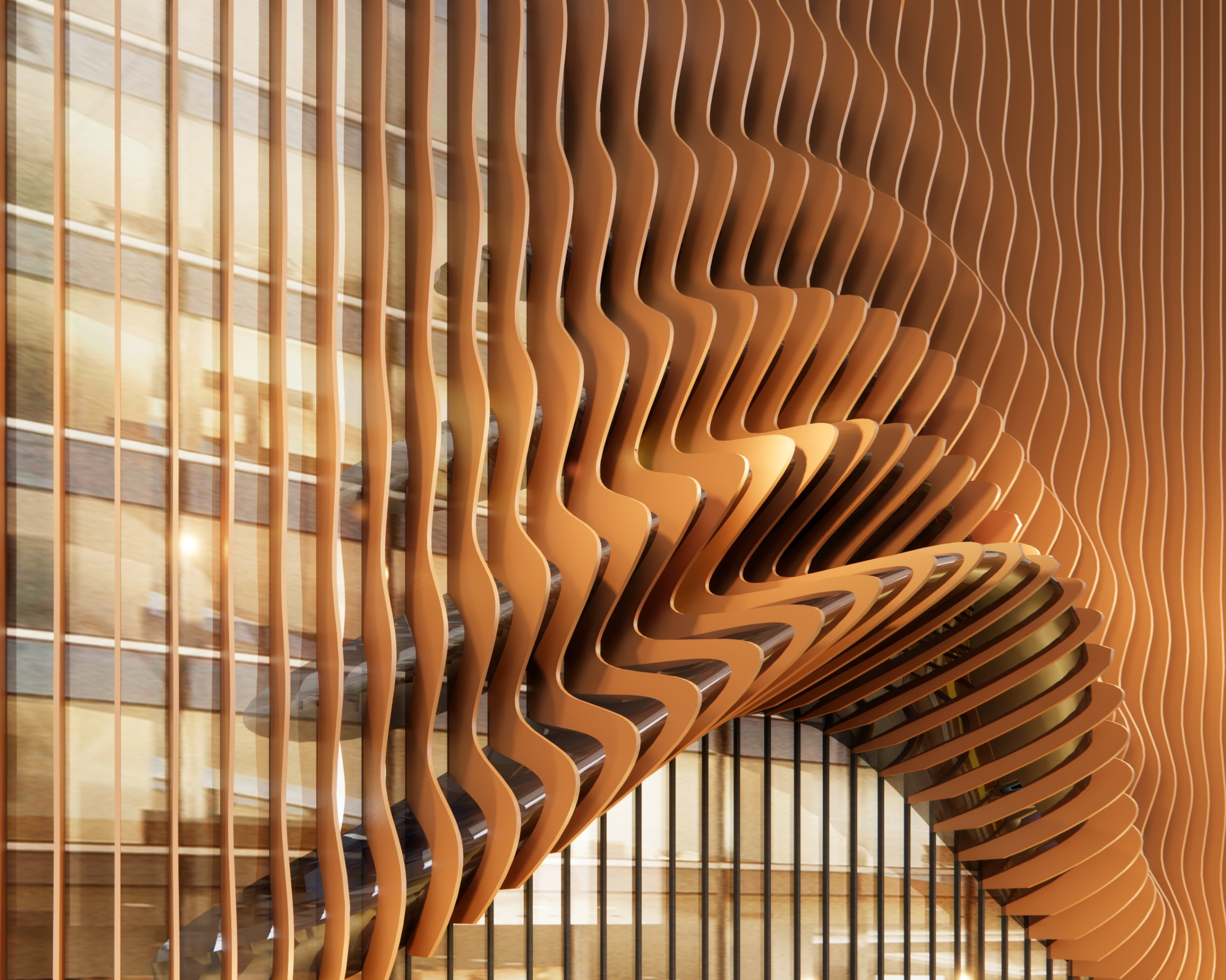
In this context, parametric design is emerging as a way to engage with this complexity more meaningfully. Rather than offering fixed outcomes, it allows architects to work with relationships between form and performance, space and movement, data and design intent. By adjusting parameters such as climate response, structural efficiency, or spatial usage, architects can explore multiple design possibilities before arriving at solutions that are both considered and contextual.
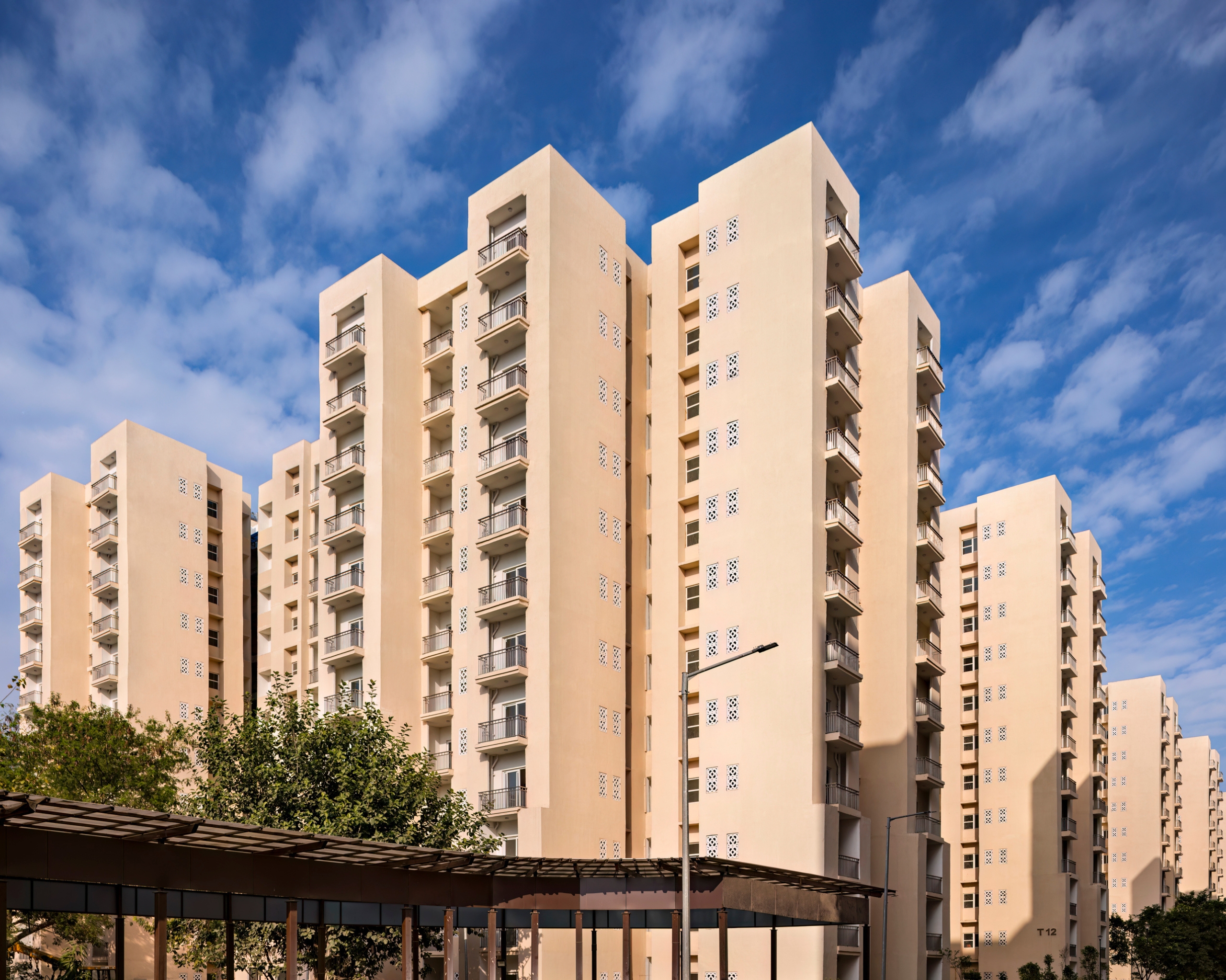
For example, in dense Indian neighbourhoods, parametric tools can help optimise building massing and orientation to improve daylight access and natural ventilation, critical factors for health and comfort. In public spaces, simulations of pedestrian flow and microclimate conditions allow planners to create environments that are both inviting and sustainable. These applications demonstrate how parametric design is a practical approach to shaping urban environments that respond to human needs.
For architects, this evolution is not about relinquishing creative control to technology. On the contrary, parametric design expands creative thinking by enabling informed experimentation. It allows design ideas to be tested early, refined continuously, and aligned more closely with real-world conditions—whether that means improving daylight in dense neighbourhoods, responding to varied climatic zones, or optimising material use in large-scale developments.
At the urban scale, parametric thinking supports a systems-based approach to planning. It helps visualise how buildings interact with infrastructure, public spaces, and movement patterns, encouraging solutions that are resilient and adaptable rather than static. This becomes especially relevant in cities that are growing unevenly and must respond to both immediate needs and long-term pressures.
Tools such as Grasshopper, Dynamo, and integrated BIM platforms have made this approach more accessible. Yet, the true value lies not in the tools themselves, but in how strategically they are applied. In a diverse and layered context like India, data must be interpreted with care—balancing efficiency with empathy and innovation with cultural understanding.
In today’s dynamic context, the future of architecture is determined by how carefully we integrate technology with human insight and cultural context. Parametric design offers architects a powerful framework to navigate complexity, enabling the creation of urban environments that are adaptable, resilient, and deeply connected to the communities they serve. In embracing this synergy, we move closer to designing cities that truly nurture the lives within them.