Place-Based Development: Designing with Context, Culture, and Craft

In a constantly modernising world, the architectural discipline finds itself at a critical juncture—balancing design innovation with a sense of rootedness. Place-based development emerges as a guiding philosophy that emphasises design that responds to a site’s unique cultural, climatic, and socio-economic realities.
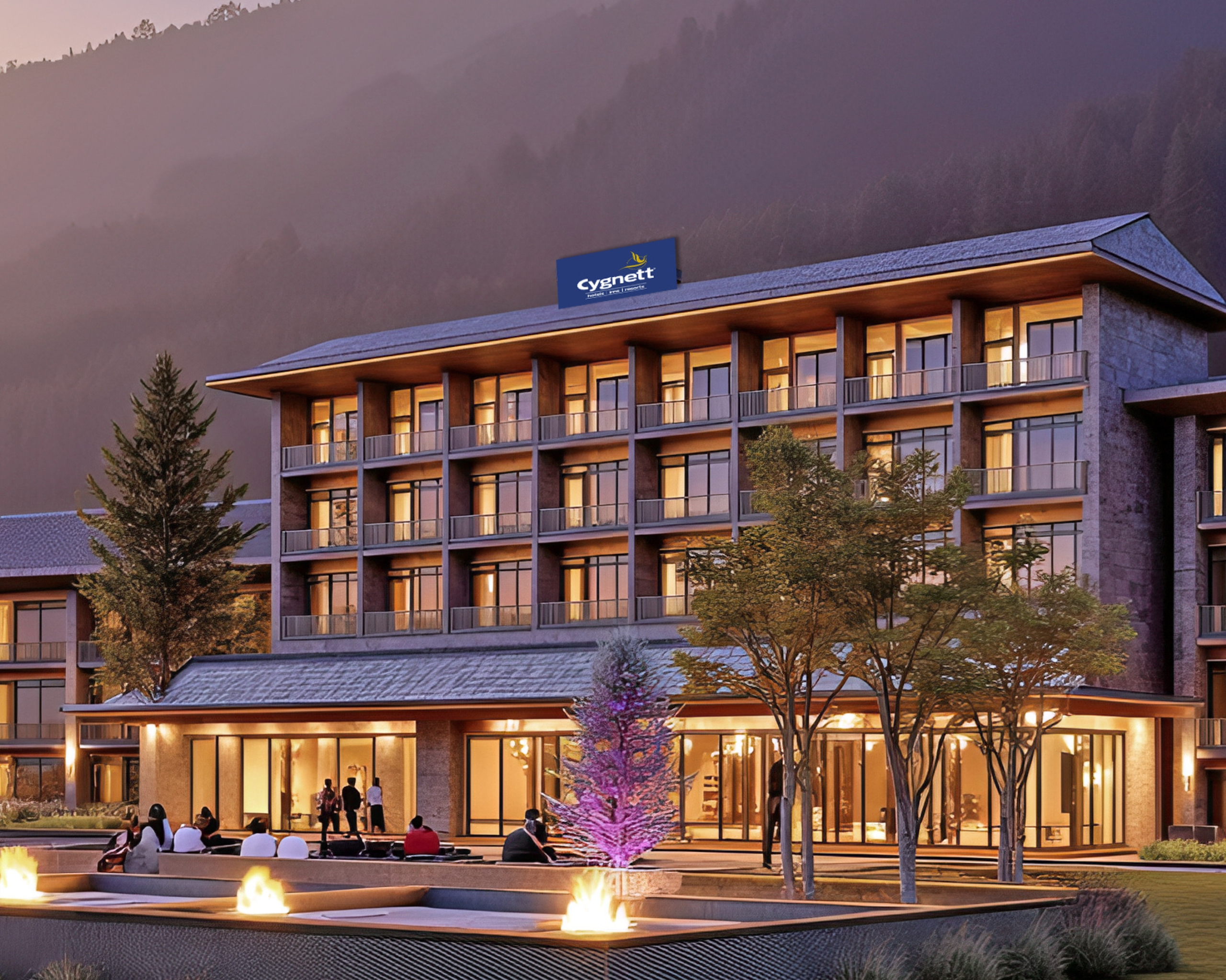
At its core, place-based design insists on the relevance of people, place, and history, recognising that architecture should not be imposed upon a landscape but instead emerge from it. Whether through a building’s orientation to capture local breezes, using regionally available materials, or the spatial planning that mirrors traditional settlement patterns, this approach ensures that architecture is embodied through its lived experience. When architects build with awareness of local practices and heritage, they preserve culture and allow an organic evolution in a contemporary framework.
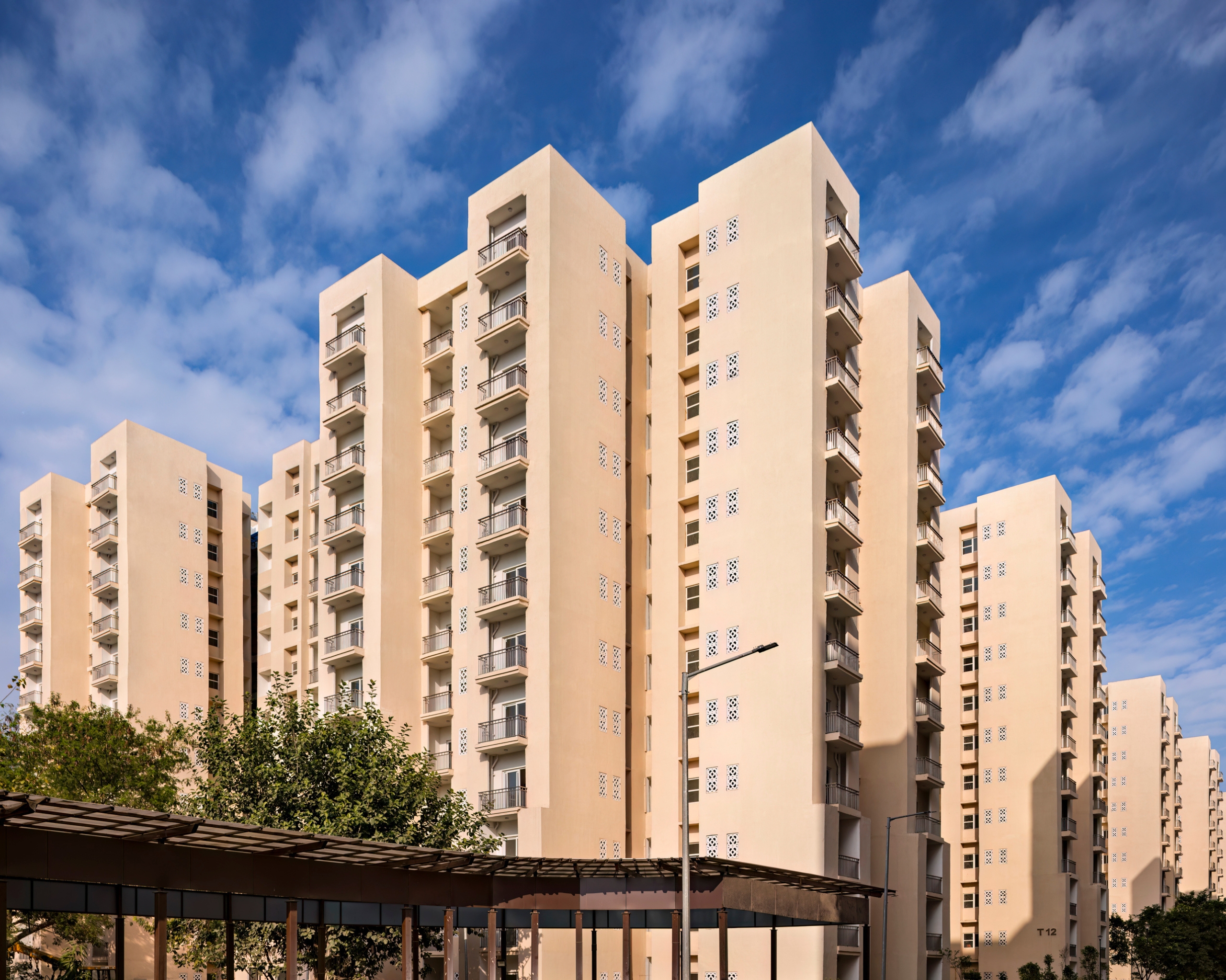
Within the Indian context, layered with cultural narratives and diverse ecological conditions, place-based development can serve as a counterpoint to generic, globally replicated models. With architecture responding to the increasing pressures of urban density, climate change, and economic disparity, there is a growing need for efficient, sustainable, and contextually intelligent design.
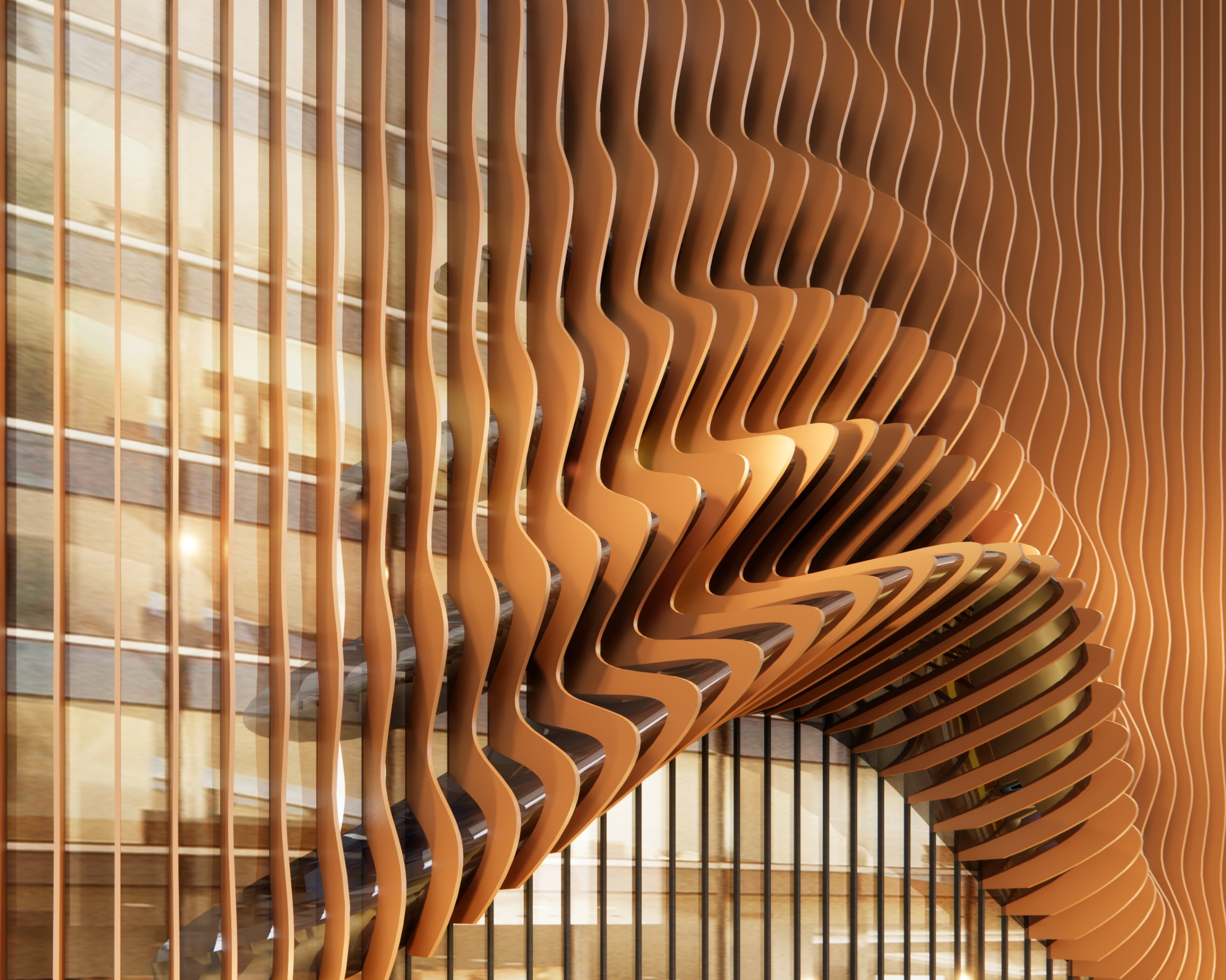
This form of development also calls for a deeper collaboration between architecture and craft forms. Integrating local artisanship sustains traditional livelihoods while lending a unique material language to projects, grounded in memory and meaning. Craft in architecture isn’t merely ornamental, but functional and tactile, carrying forward indigenous knowledge systems in construction and detailing.
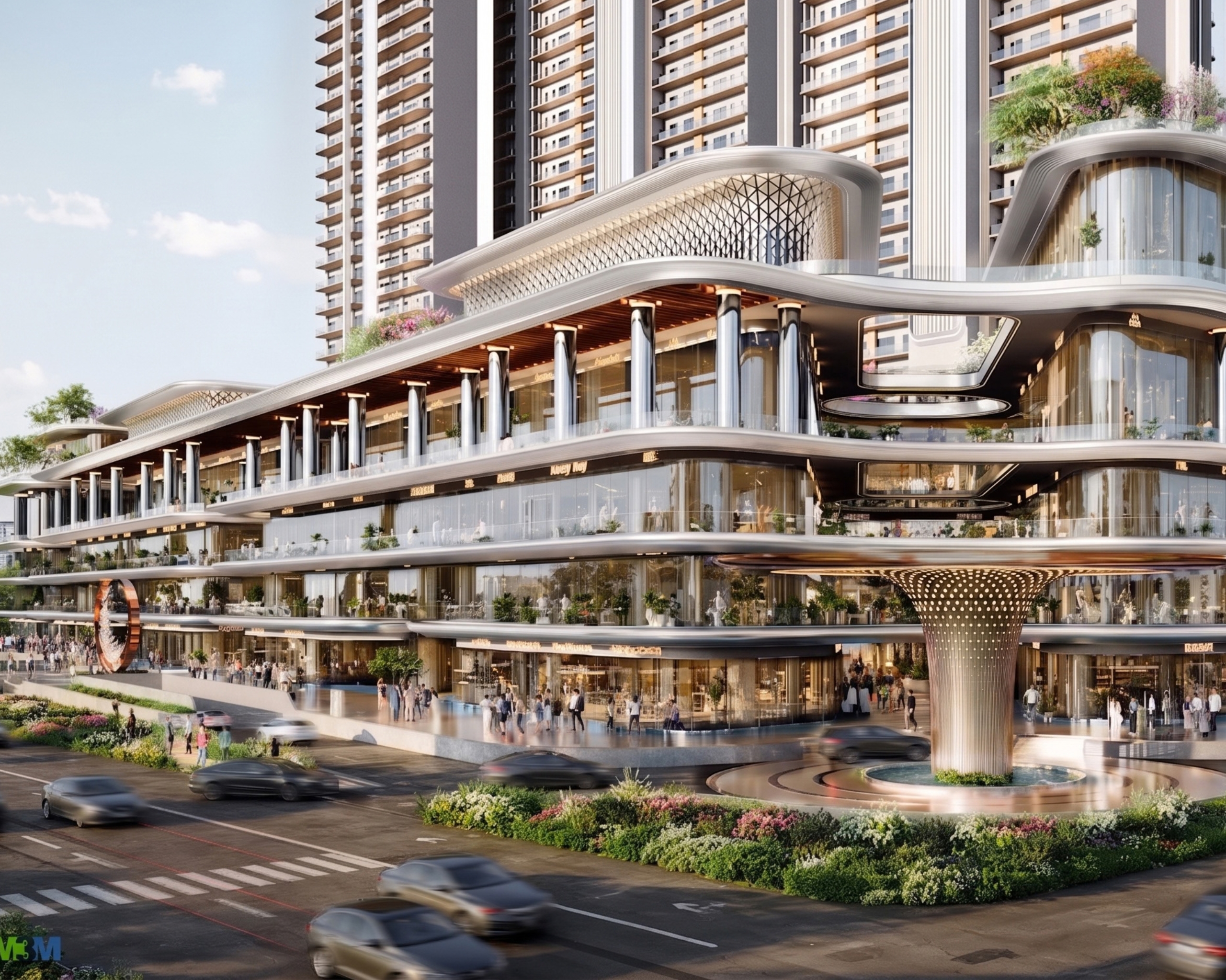
Take a redevelopment project, for instance. By preserving the original spatial hierarchy or aligning key functions with historically significant nodes, the design honours cultural continuity while allowing for contemporary adaptation. Similarly, integrating local materials and traditional architectural elements with modern construction techniques creates a dialogue between the past and the present.
Embracing place-based development pushes the industry to rethink design briefs, challenging architects to be listeners, interpreters, and collaborators. It means involving local communities early in the design process, interpreting vernacular wisdom through contemporary lenses, and foregrounding long-term social impact over short-term visual spectacle. We need a renewed focus on architectural empathy — design that respects the land it occupies, the climate it endures, and the communities it serves. Place-based development provides that lens. It does not deny change or progress but anchors it in identity, memory, and relevance.