New Trends in Urban Living: The Shifting Landscape of Urban Spaces

The way we live in cities is shifting drastically, from how we move to where we unwind to how we connect with one another. No longer confined to dense concrete clusters, modern urban spaces are evolving into ecosystems where mobility, leisure, and community come together to offer a more balanced and fulfilling way of life.
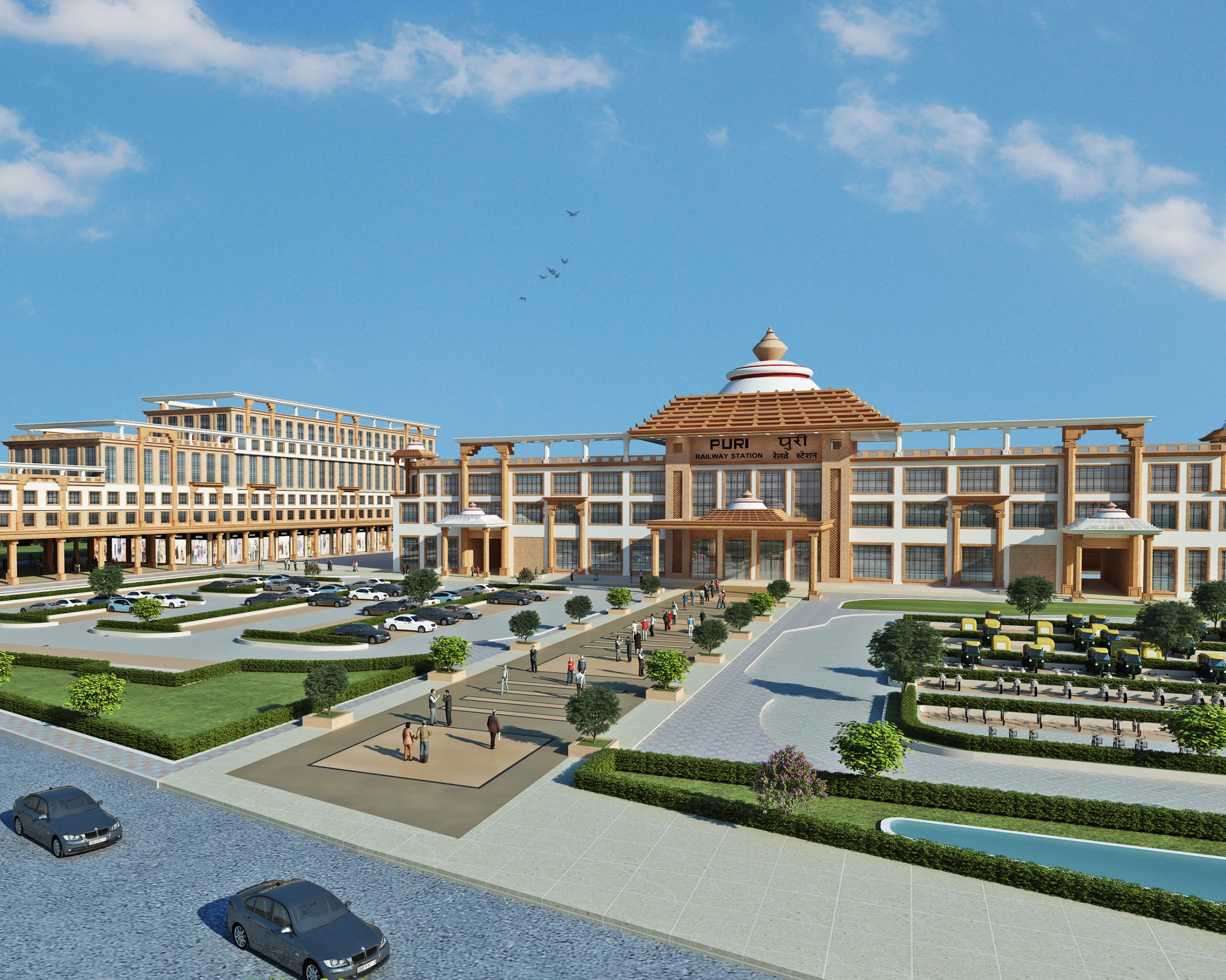
This equilibrium is being actively pursued through Transit-Oriented Development (TOD), a planning model that places mobility at the heart of urban experience. People in Indian cities spend an average of 1.5 hours commuting daily, a burden that TOD seeks to alleviate by placing residences, offices, and amenities around transit hubs. By minimising the reliance on private vehicles and promoting walkability and access to public transport, TOD fosters more compact, connected neighbourhoods. The result is not just reduced travel time, but a lifestyle reimagined for ease, efficiency, and sustainability.
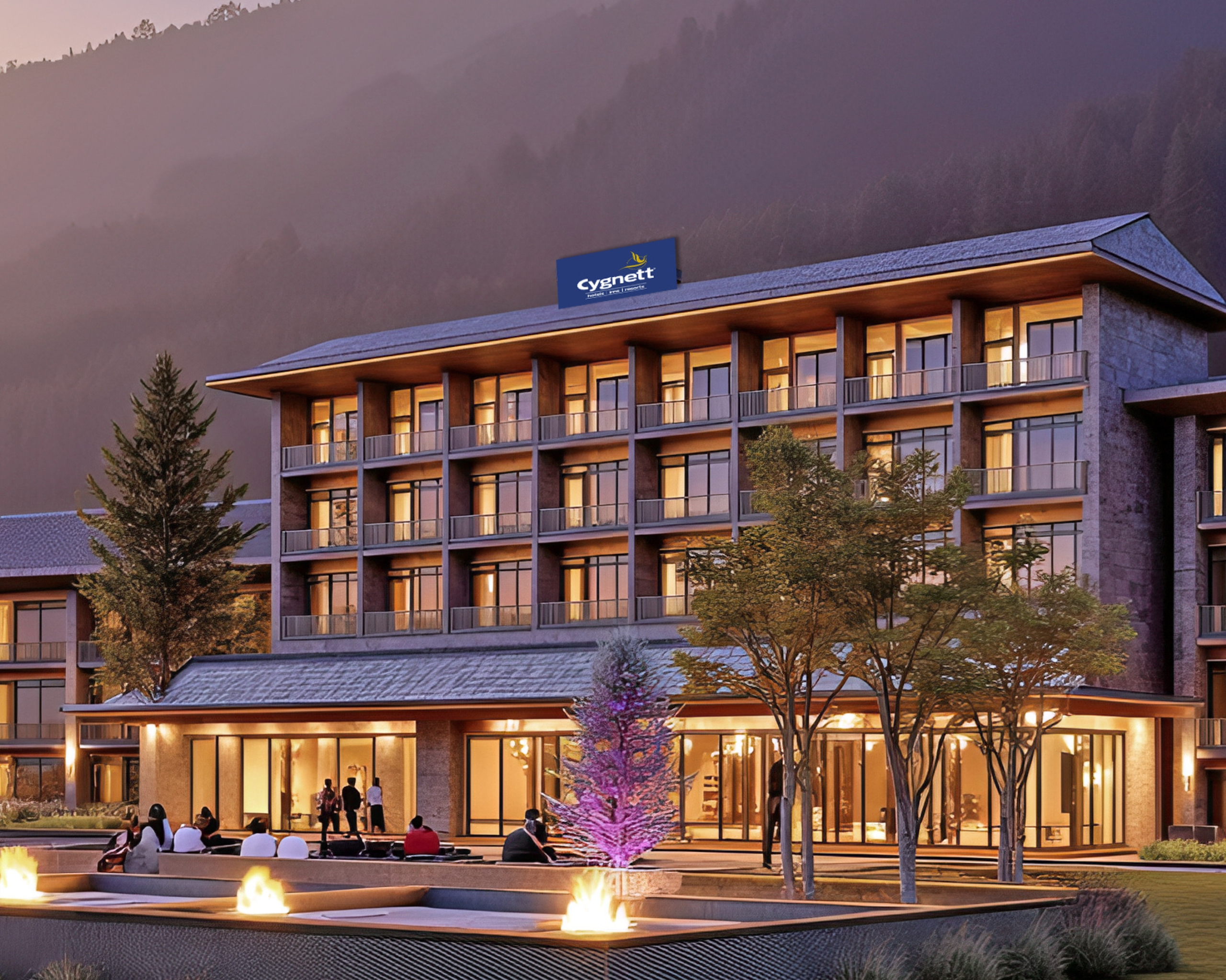
Alongside this structural shift is a growing aspiration for an urban resort lifestyle, one that blends convenience with calm. New developments are increasingly featuring lush green corridors, rooftop gardens, water bodies, and wellness zones that bring moments of retreat into everyday life. These spaces soften the city’s pace, offering a sense of calm within the bustle.
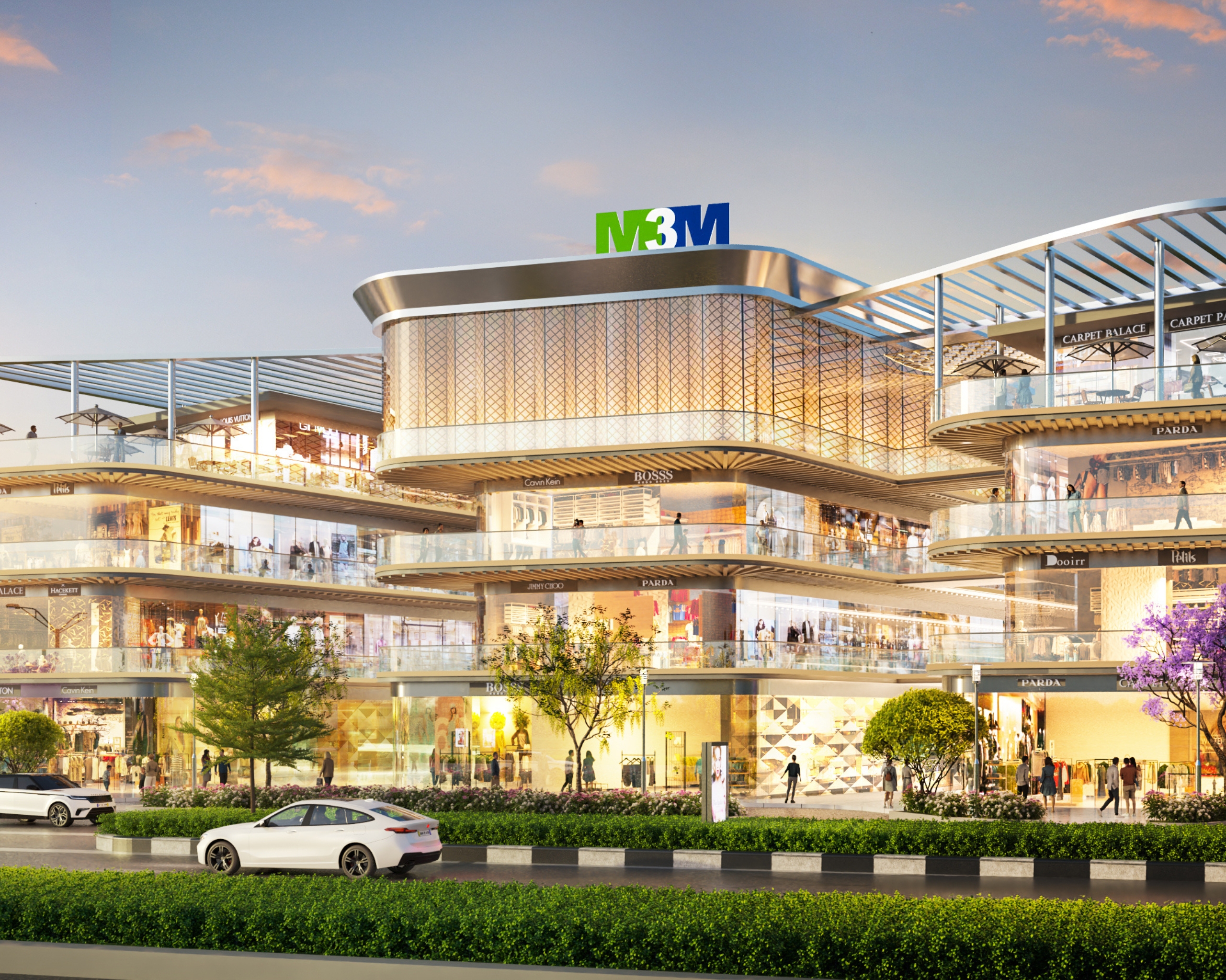
To support this evolving rhythm, amenities are becoming more centralised and experiential. Today’s developments function as complete ecosystems, combining workplaces, cafés, fitness centres, retail plazas, and healthcare access within walkable proximity. Commercial spaces are no longer peripheral; they are strategically integrated into the urban fabric, supporting both livelihoods and lifestyles. Rather than standalone add-ons, these are strategically integrated into the design, enabling a fluid, flexible way of living.
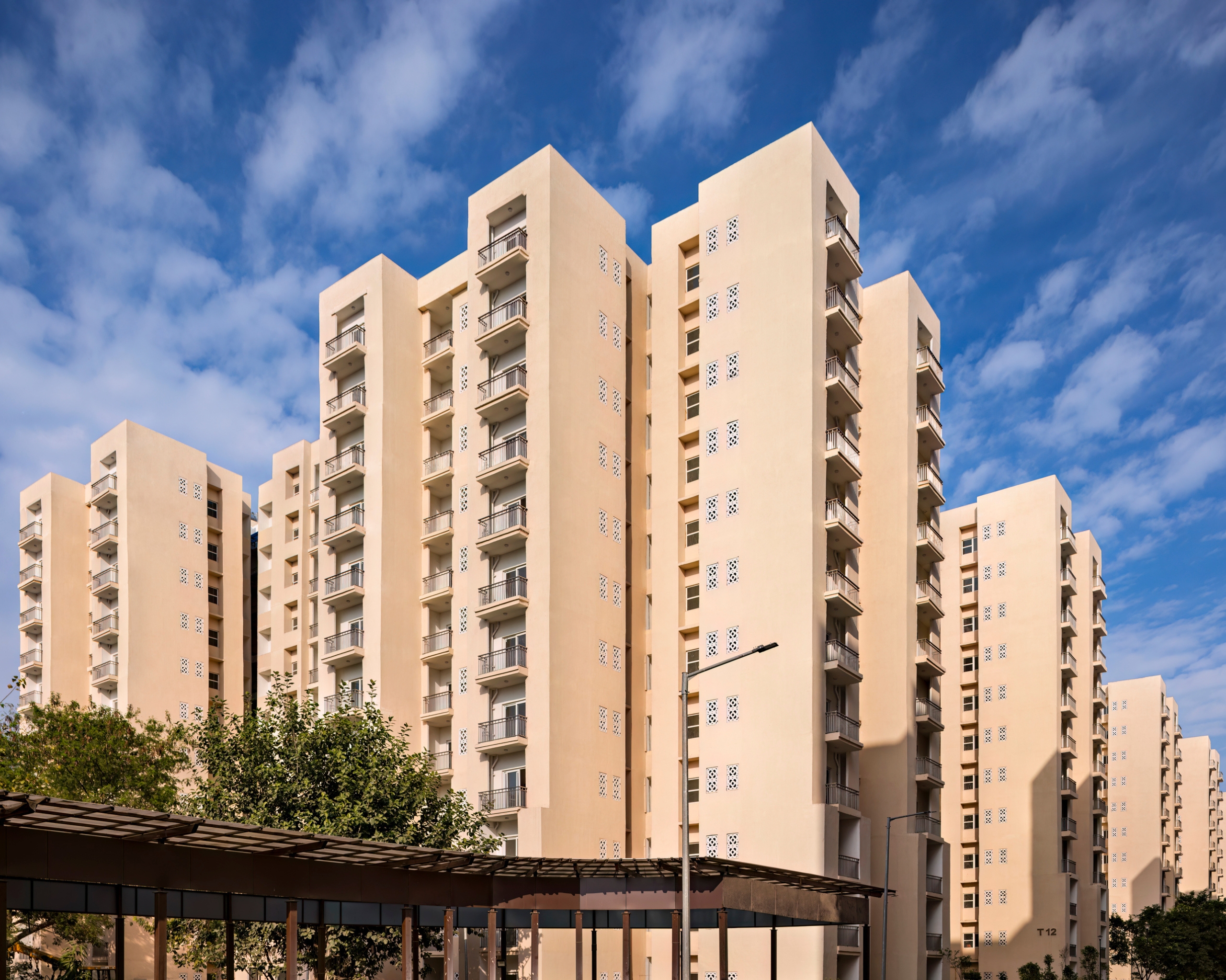
Most significantly, there’s a renewed emphasis on community living. Interactive parks, shared courtyards, and multi-use social terraces are being designed to spark organic interactions and foster a sense of belonging. These are the spaces where everyday encounters turn into lasting connections, reviving the human pulse of urban life.
Together, these shifts mark a deeper transformation in how we imagine and inhabit our cities. The future of urban living isn’t defined by density or scale, but by the richness of lived experience. It lies in crafting environments that are efficient, connected, and profoundly human, where design elevates both lifestyle and everyday meaning. As cities continue to evolve, this integrated approach will shape the next chapter of how we live.