How Multi-Functional Public Spaces are Changing Hospitality Designs
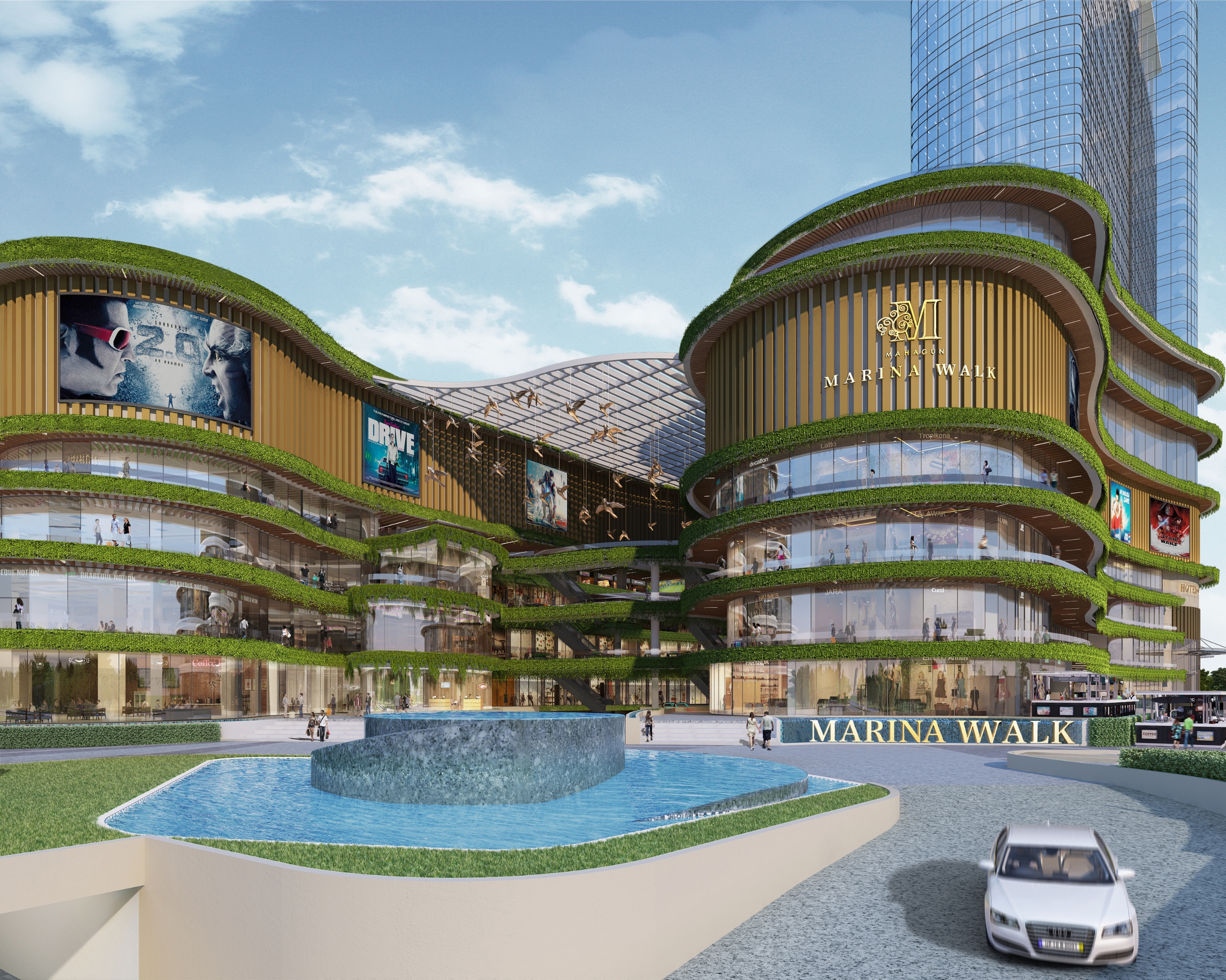
Hospitality development in India is increasingly being shaped by a clear shift, from standalone buildings designed for fixed use, to layered environments where multiple functions coexist and interact. This evolution is a response to changing traveller expectations, the economic realities of land, density, and long-term asset performance. In this context, public spaces are being seen as more than transitional areas, and increasingly as active parts of the hospitality ecosystem that influence how a project performs across the day.
This shift is closely linked to a more contextual way of planning, guided by the 3Cs—Context, Culture, and Climate. These parameters are now informing how public spaces are designed and programmed, especially in hospitality projects where flexibility and responsiveness are becoming essential. Instead of defining spaces by a single function, the focus is moving towards how they behave across different conditions of use.
A practical way this shift is being implemented is through early spatial programming of public areas for multiple time-based uses. Instead of treating lobbies, lounges, or courtyards as fixed functions, designers are now defining “use cycles” during design itself. For example, a lobby is structured to support three clear conditions: arrival movement, daytime informal use for meetings or work, and evening activities like small events, F&B spill-out, or curated brand experiences. This is achieved through zoning clarity, lighting flexibility, and furniture systems that can be reconfigured without operational disruption.
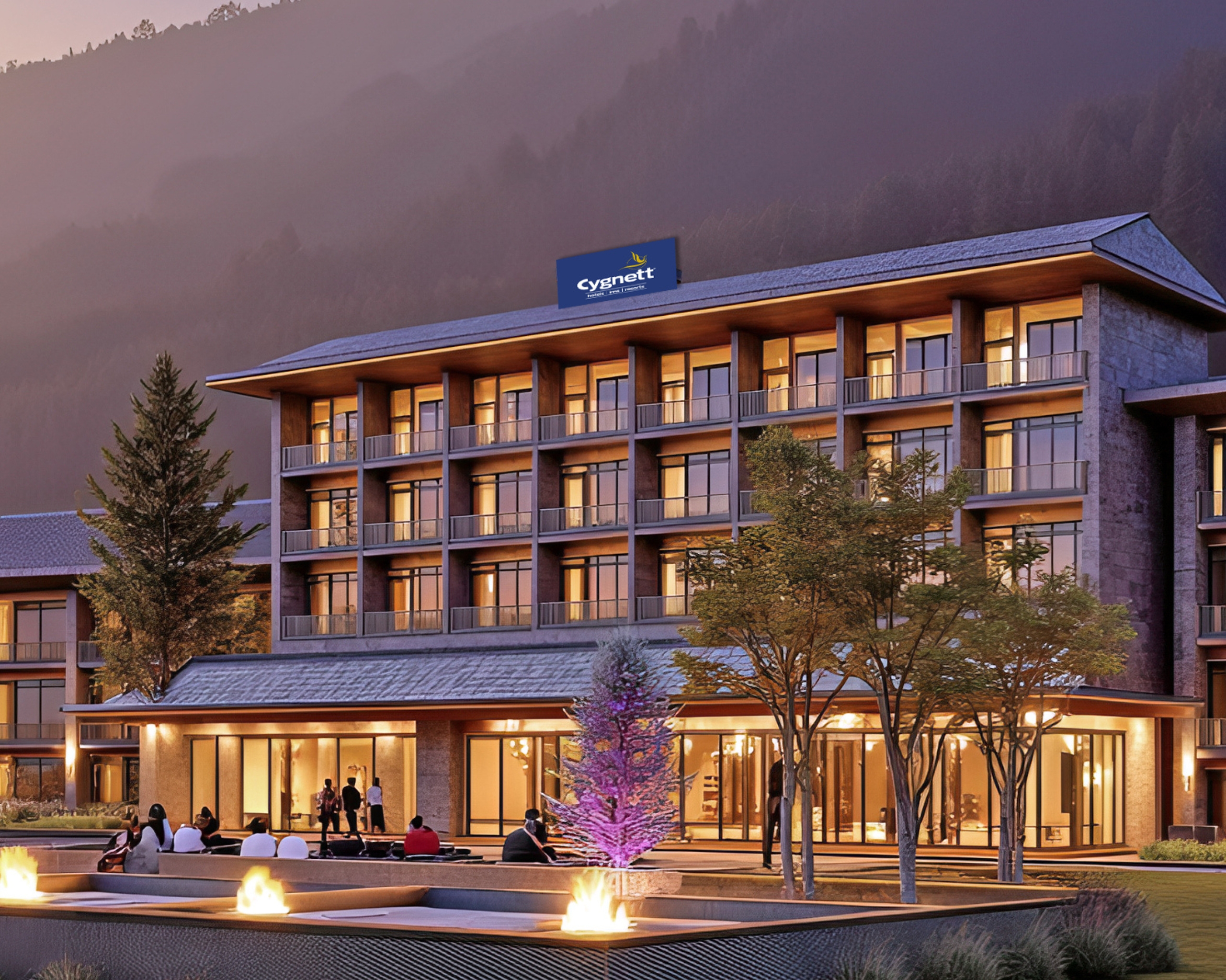
In resort developments, this approach becomes even more critical for open landscaped areas like gardens and courtyards. Gardens and lawns, which are often designed as passive visual buffers, can be planned as multi-use event landscapes. The same space can function as a leisure garden during regular operations and transition into a destination wedding venue, outdoor dining setting, wellness space, or curated evening experience, depending on season and demand. This requires early coordination of landscape design, service access, power integration, and lighting strategy, so that activation remains seamless and contextually appropriate.
Across these applications, a consistent learning is that flexibility works only when design and operations are aligned as one system. Back-of-house movement, storage planning, F&B servicing routes, and acoustics need to be considered alongside spatial intent. Without this, multi-use spaces often remain underutilised in practice, despite being well designed on paper. What emerges from this approach is a more efficient use of built space, where activation becomes a design outcome rather than an operational add-on. Hospitality assets are able to support different types of activity through the day, allowing spaces to remain relevant beyond fixed time windows of use.
This also reflects how Indian cities have traditionally functioned, where public environments naturally support overlapping uses. Hospitality design is now structuring this overlap more deliberately, translating it into planned adaptability rather than informal occupation.
Ultimately, multi-functional public spaces strengthen hospitality performance by shifting the focus from designing spaces to designing continuity of use, engagement, and relevance. In doing so, they reshape how hospitality assets hold value over time, not through expansion, but through how fully each space is allowed to work.